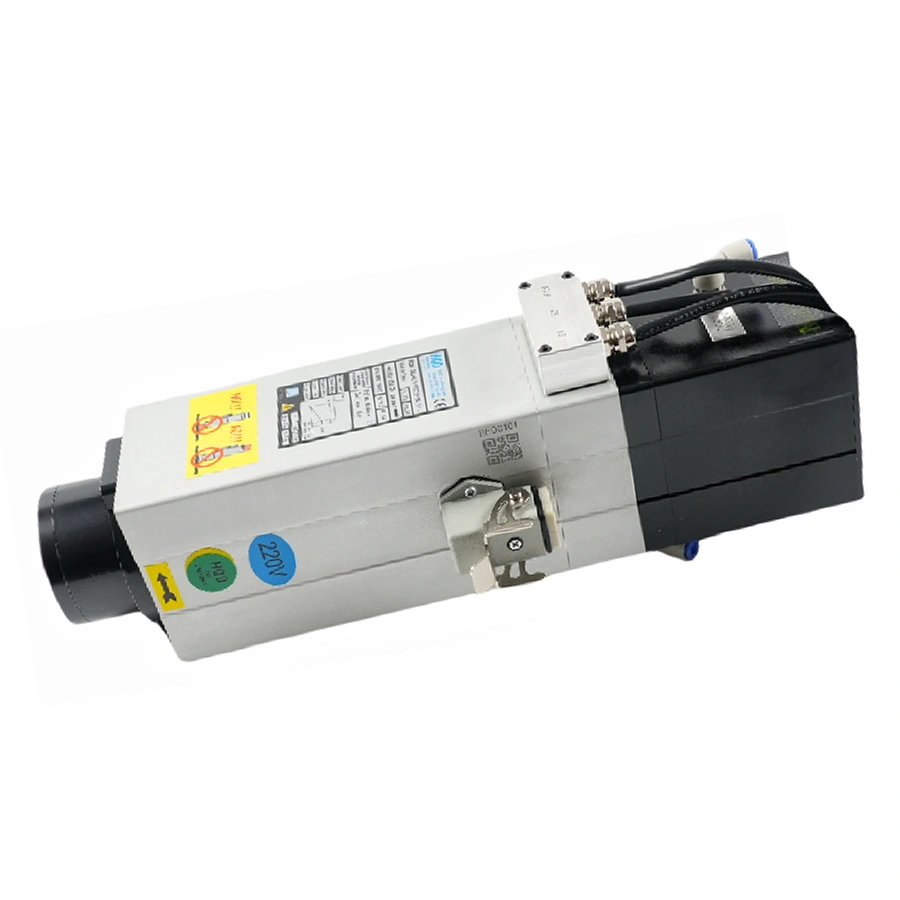
GDL40.5-ISO20-24Z/2.2
ISO20 · Air-cooled
2.2 kW rated
18,000 rpm rated / 24,000 rpm max
View Specifications
HQD CNC SPINDLES
CINKR supplies HQD spindle motors for CNC machine builders, retrofit projects and maintenance teams. Compare tool interfaces, rated output power, rotational speed ranges, and physical enclosure dimensions to configure an exact model match for new machinery or existing equipment replacement.
Browse Spindle ModelsQUICK SEARCH
Search the complete model designation, such as GDZ-23, GDF46-18Z/2.2, or GDL70-24Z/9.0. Shared numerical codes can describe distinct base-mounted, housing-mounted, or nose-length variants: always verify configuration drawings before ordering.
Cannot find your spindle? Send a clear nameplate photo and dimensional mounting details for technical identification. Identify My Spindle
SPINDLE SERIES
Compare the four HQD series by tool-change method, cooling, tool interface and mounting arrangement. Verify tool change, cooling, and mounting parameters for your machine.
GDL
Automatic tool change with a defined taper interface. Check the air supply, sensing, toolholder and release sequence for the exact model.
Browse GDL →GDF
Air-cooled spindle configurations with different housing and mounting arrangements. Match the interface, speed and installation drawing.
Browse GDF →GDZ
Water-cooled spindle configurations for engraving and routing machines. Confirm the collet, winding, cooling circuit and clamp dimensions.
Browse GDZ →GDK
Spindles with model-specific operating ranges and power ratings. Read the duty conditions and VFD curve before choosing by power.
Browse GDK →ATC SELECTION
Compare GDL ATC spindles by taper, toolholder retention, winding, cooling and mounting envelope. The range includes ISO20, ISO25, ISO30, BT30 and BT40 configurations. Confirm the supplied unit’s release-air requirements, sensor connections and controller interlocks before commissioning. Compare each assembly’s drawing against the machine frame, tool magazine and rear service space, allowing for hose bends and access to connections. Keep the nose version and selected winding with the model code in an inquiry. A shared taper does not settle holder retention, spindle support or sensor wiring; review these interfaces with the machine controller and tool magazine requirements.
ISO20 · Air-cooled
2.2 kW rated
18,000 rpm rated / 24,000 rpm max
View Specifications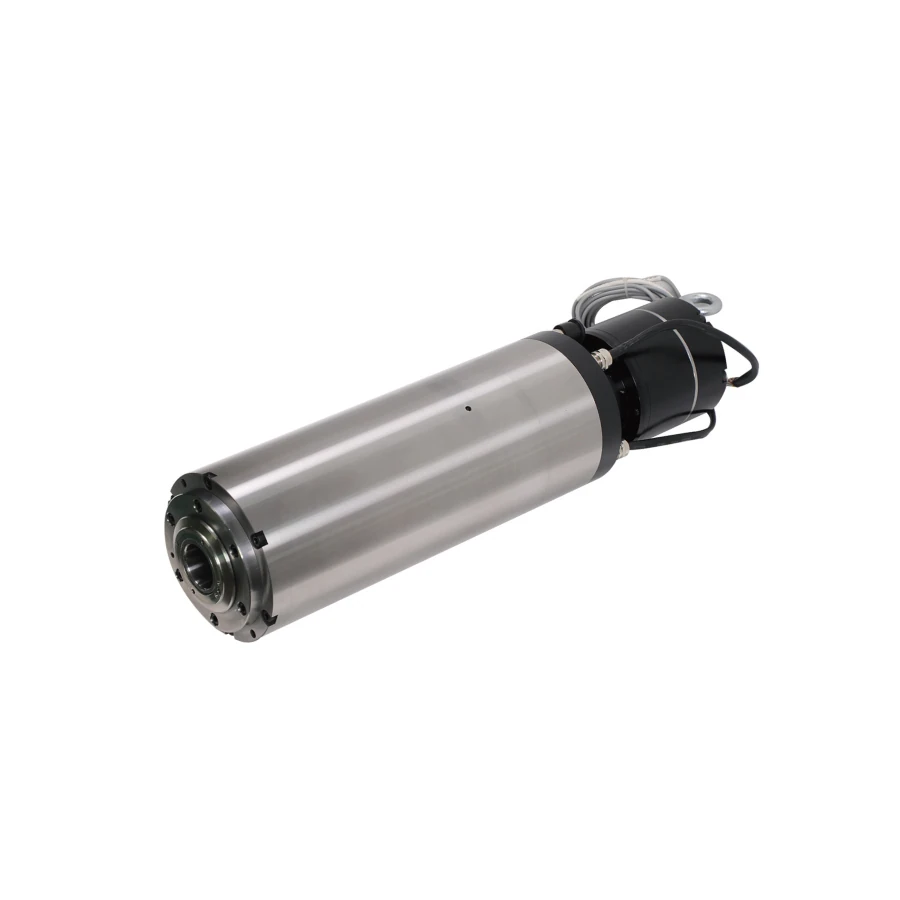
BT30 · Water-cooled
5.5 kW rated
24,000 rpm rated
View Specifications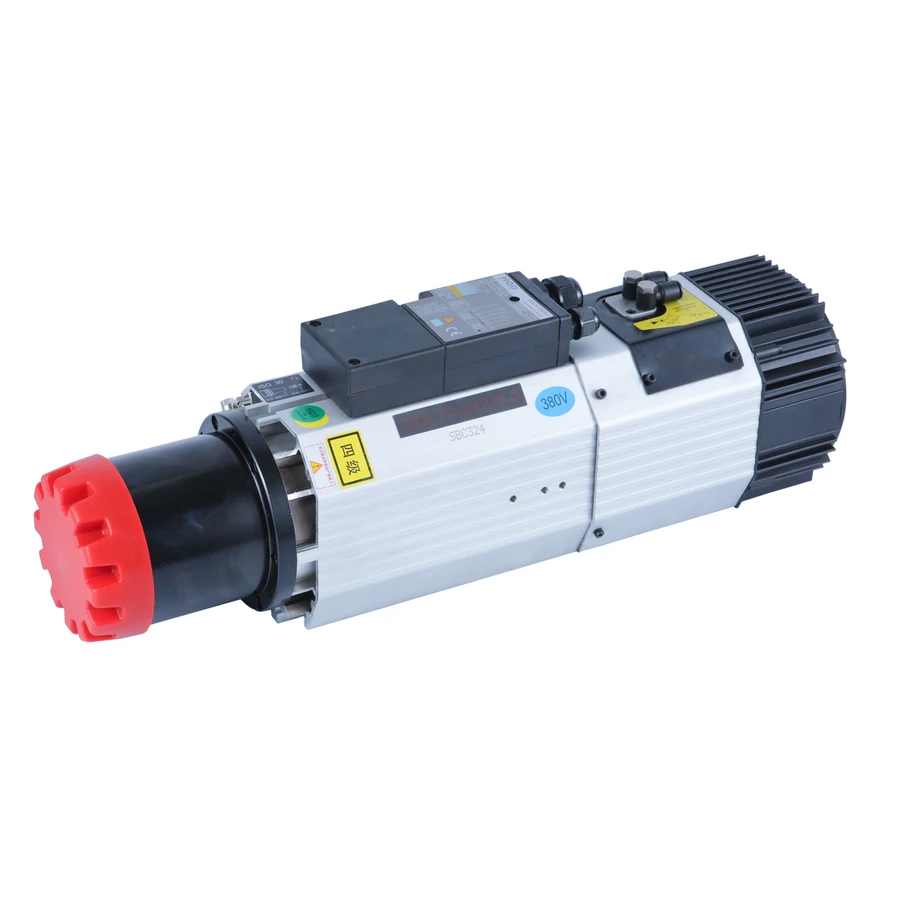
ISO30 · Long nose
ISO30 · Air-cooled
9 kW at S6-60%, TA20°C
24,000 rpm rated
View Specifications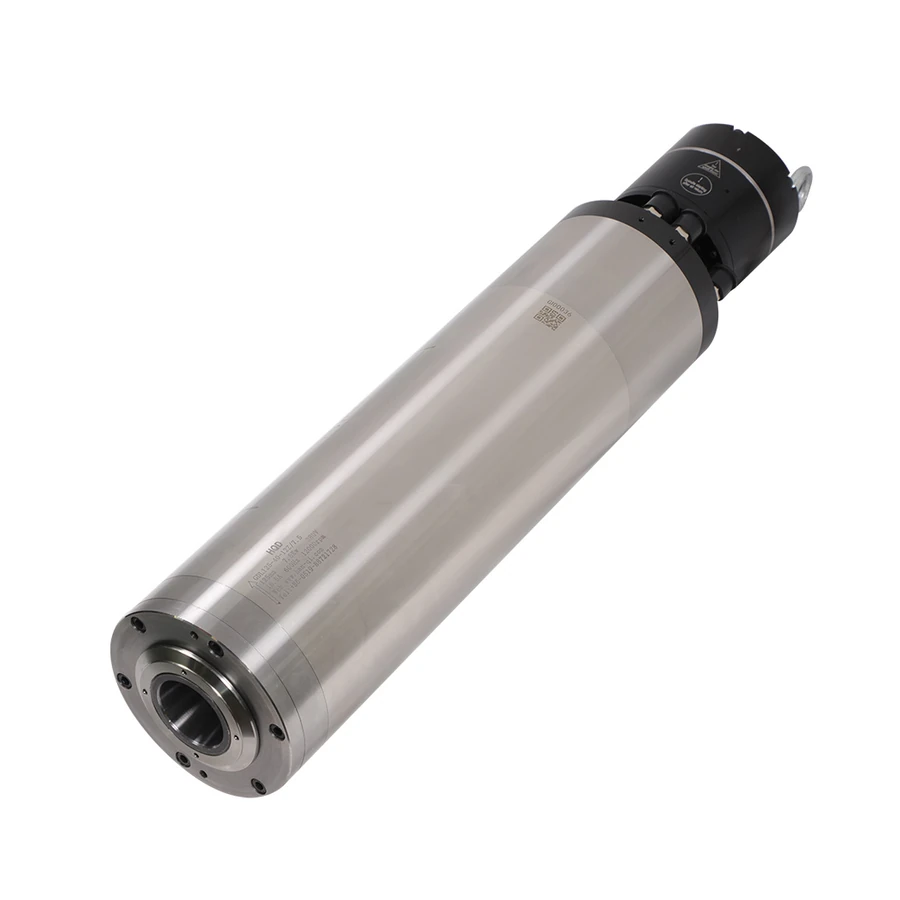
BT40 · Water-cooled
7.5 kW rated
12,000 rpm rated
View SpecificationsALL SPINDLES
Compare tooling, cooling and operating ratings, then open the exact configuration for your machine.
FILTER SPINDLES
Showing 43 configurations
Choose a winding voltage, not a voltage shown on a power curve. Ask us if the voltage you need is not listed.
Automatic tool change with a defined taper interface. Check the air supply, sensing, toolholder and release sequence for the exact model.
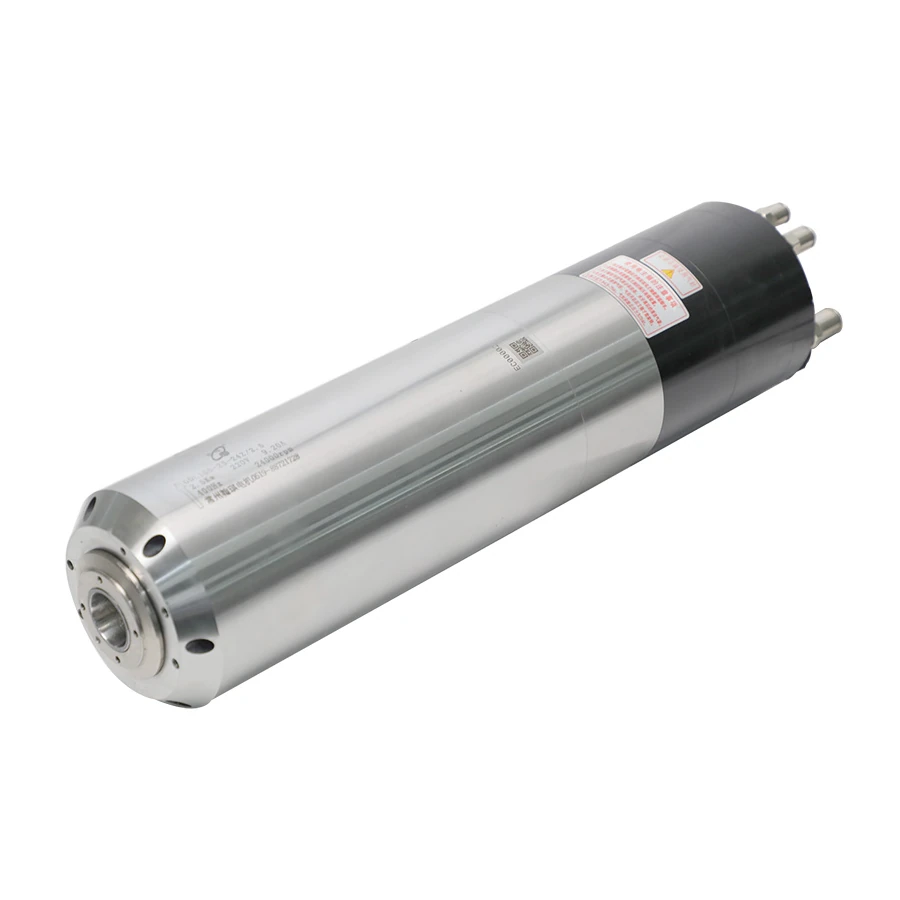
GDL · ATC
2.5 kW rated · ISO25
24,000 rpm rated · Water-cooled
Ø100 mm · 130 mm clamp
View Specifications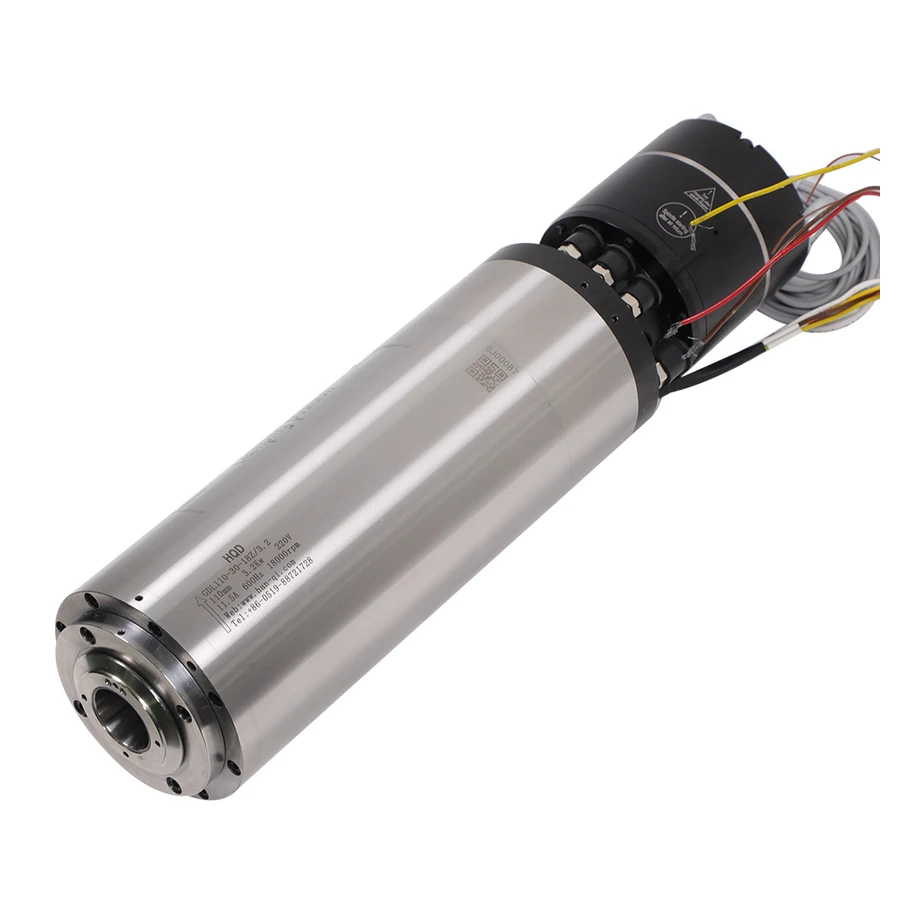
GDL · ATC
3.2 kW rated · BT30
18,000 rpm rated · Water-cooled
Ø110 mm · 132 mm clamp
View SpecificationsGDL · ATC
5.5 kW rated · BT30
24,000 rpm rated · Water-cooled
Ø120 mm · 496.5 mm overall · 136 mm clamp
View SpecificationsGDL · ATC
7.5 kW rated · BT40
12,000 rpm rated · Water-cooled
Ø125 mm · 618 mm overall · 172 mm clamp
View SpecificationsGDL · ATC
2.2 kW rated · ISO20
18,000 rpm rated / 24,000 rpm max · Air-cooled
372.5 mm overall
View SpecificationsGDL · ATC
ISO30 · Long nose
9 kW at S6-60%, TA20°C · ISO30
24,000 rpm rated · Air-cooled
ISO30 · Long nose · 551 mm overall
View Specifications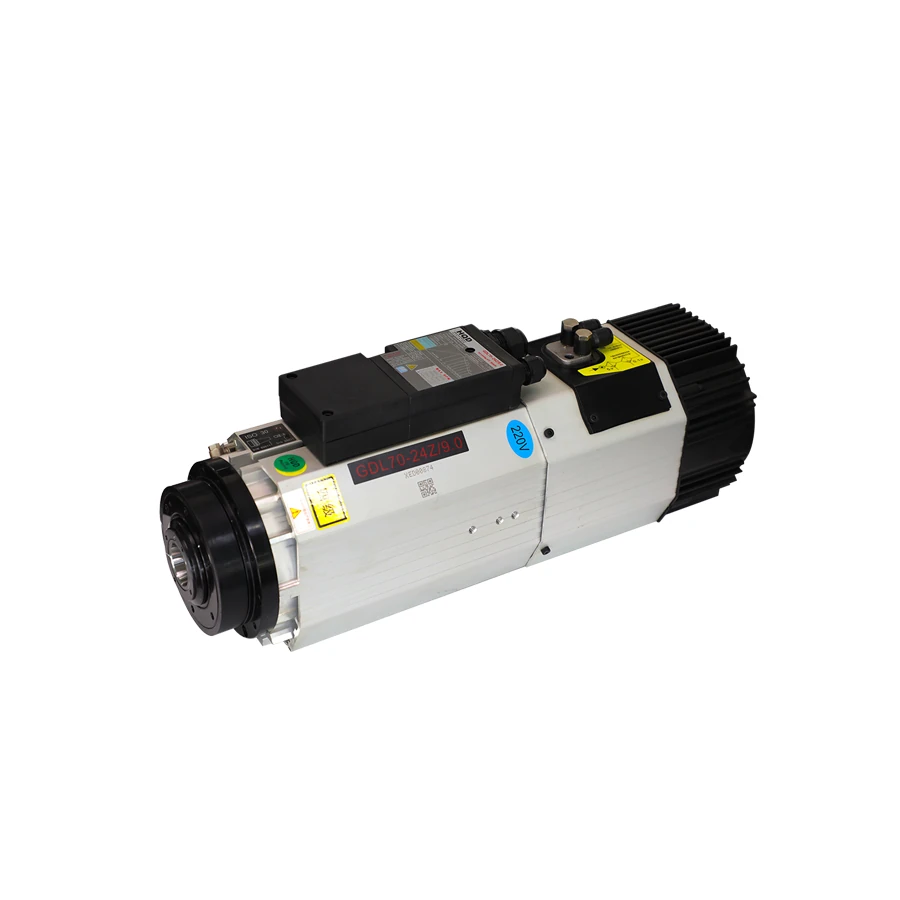
GDL · ATC
ISO30 · Short nose
9 kW at S6-60%, TA20°C · ISO30
24,000 rpm rated · Air-cooled
ISO30 · Short nose · 471 mm overall
View Specifications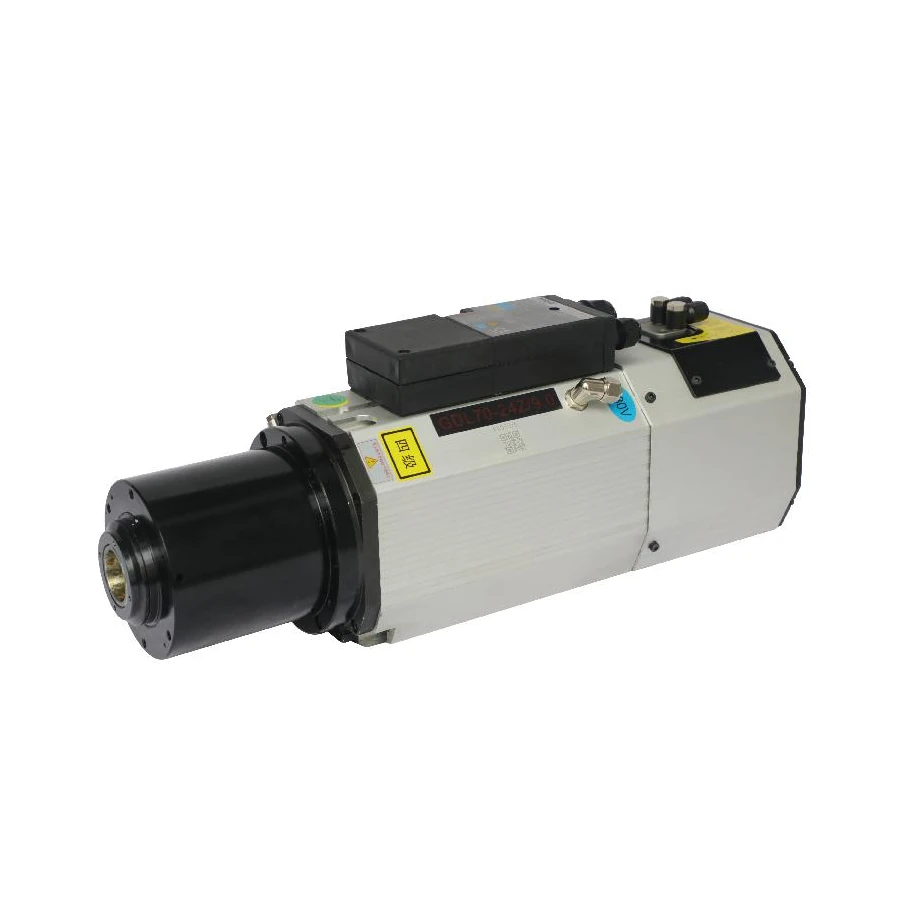
GDL · ATC
9 kW at S1, TA20°C · ISO30
24,000 rpm rated · Water-cooled
483.5 mm overall
View Specifications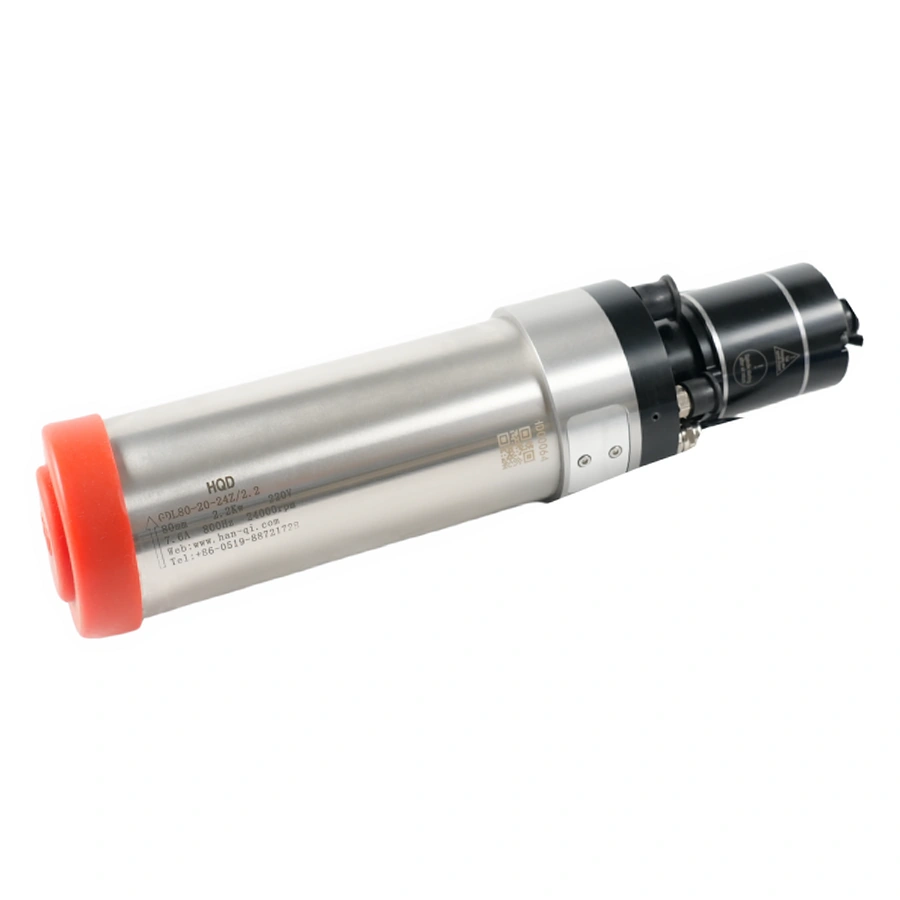
GDL · ATC
2.2 kW rated · ISO20
24,000 rpm rated · Water-cooled
Ø80 mm · 335 mm overall · 98 mm clamp
View SpecificationsAir-cooled spindle configurations with different housing and mounting arrangements. Match the interface, speed and installation drawing.
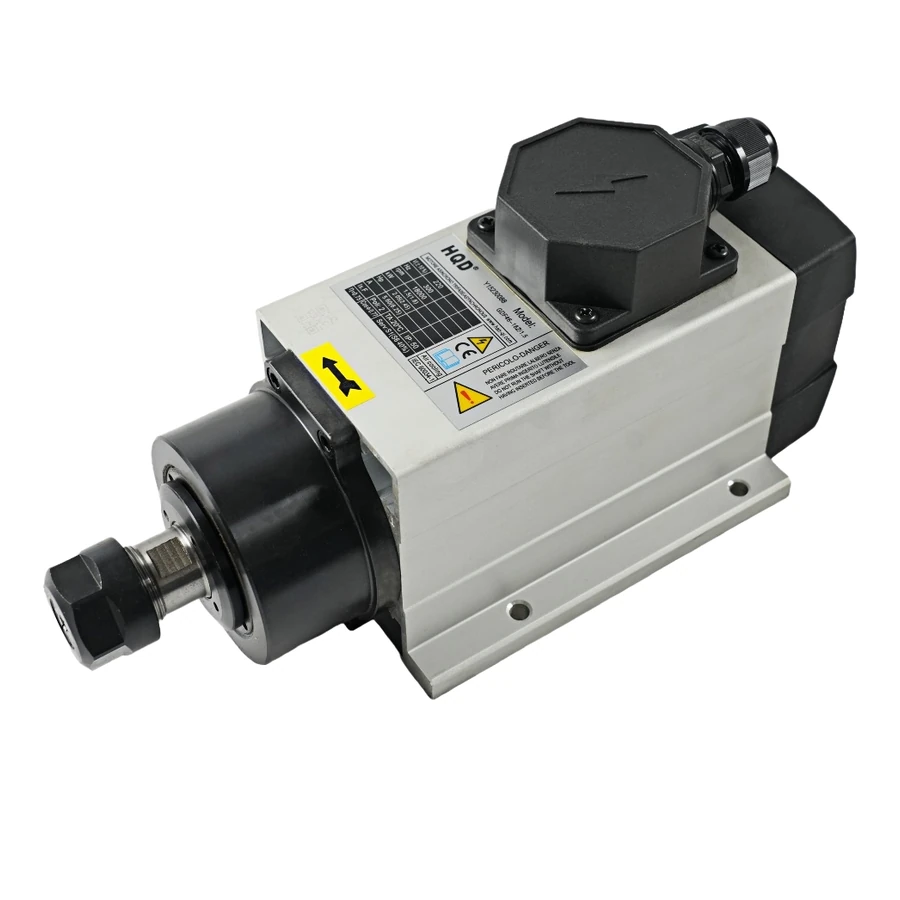
GDF · Manual
Base Mount
1.5 kW rated · ER20
18,000 rpm rated · Air-cooled
Base Mount · 258.5 mm overall
View Specifications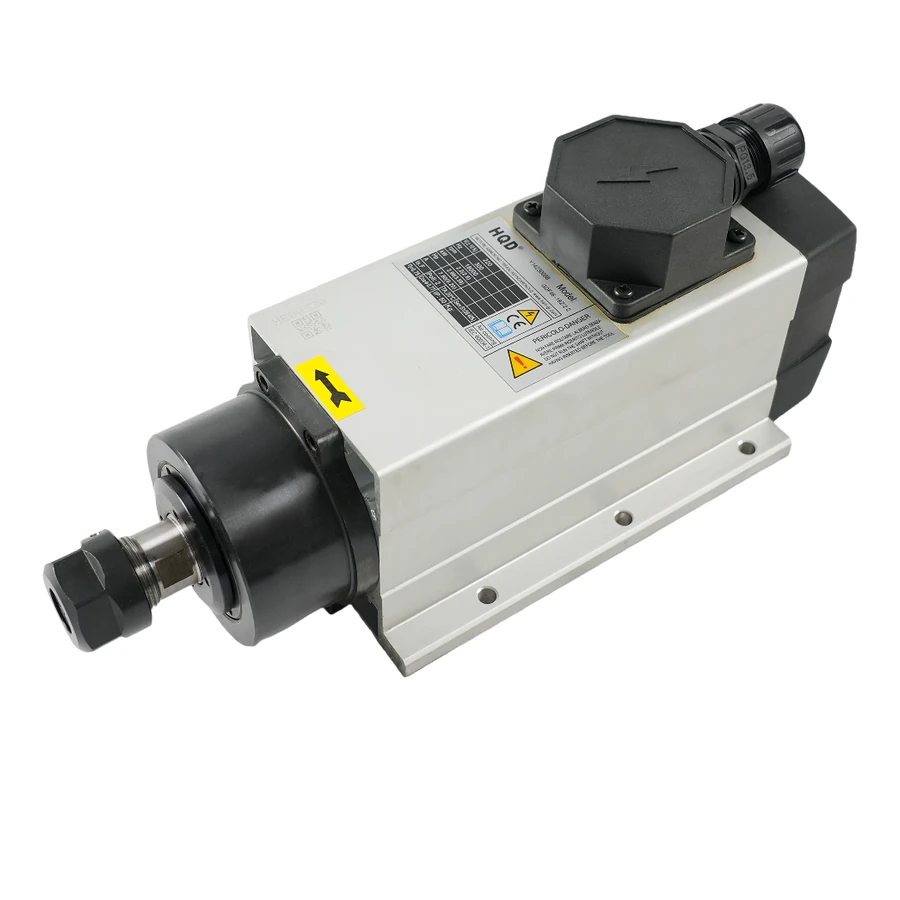
GDF · Manual
Base mount
2.2 kW rated · ER20
18,000 rpm rated · Air-cooled
Base mount · 288.5 mm overall
View Specifications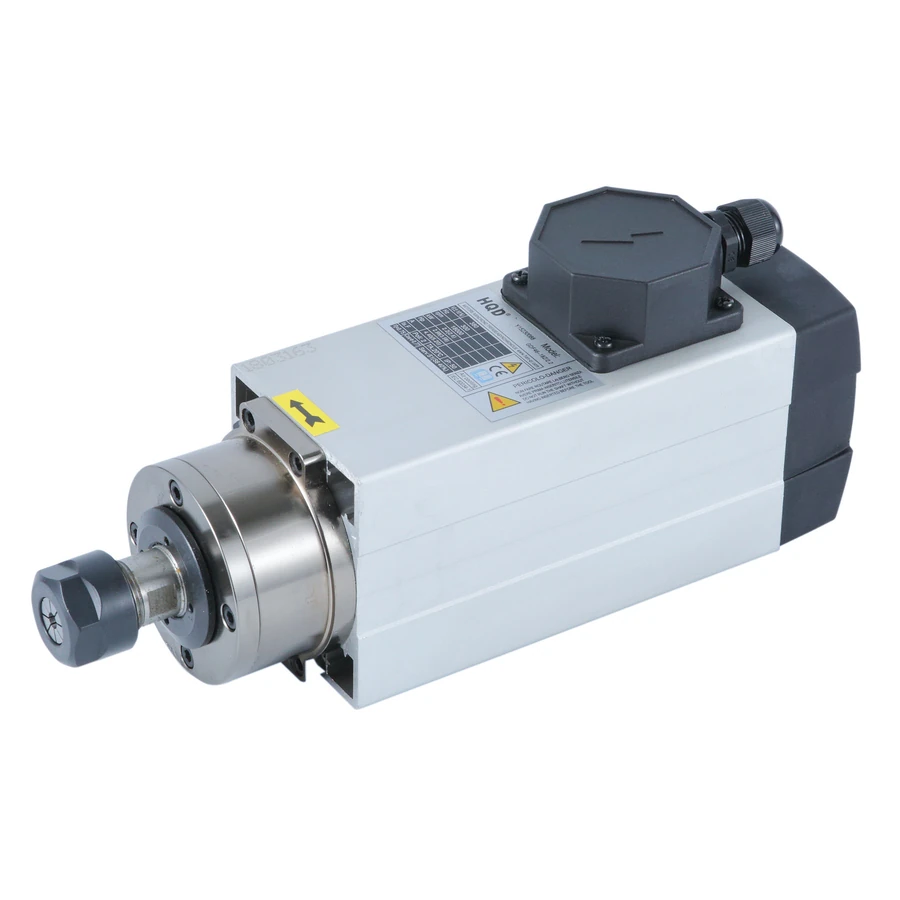
GDF · Manual
Housing Mount
2.2 kW rated · ER20
18,000 rpm rated · Air-cooled
Housing Mount · 288.5 mm overall
View Specifications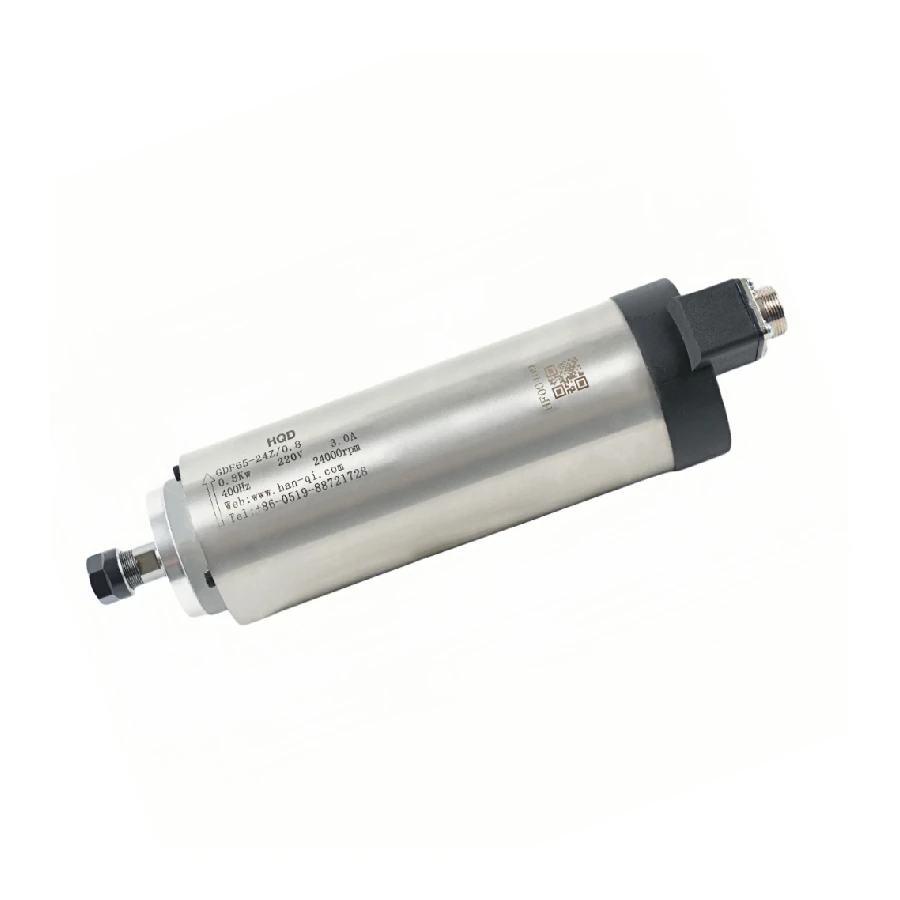
GDF · Manual
0.8 kW rated · ER11
24,000 rpm rated · Air-cooled
Ø65 mm · 245 mm overall
View Specifications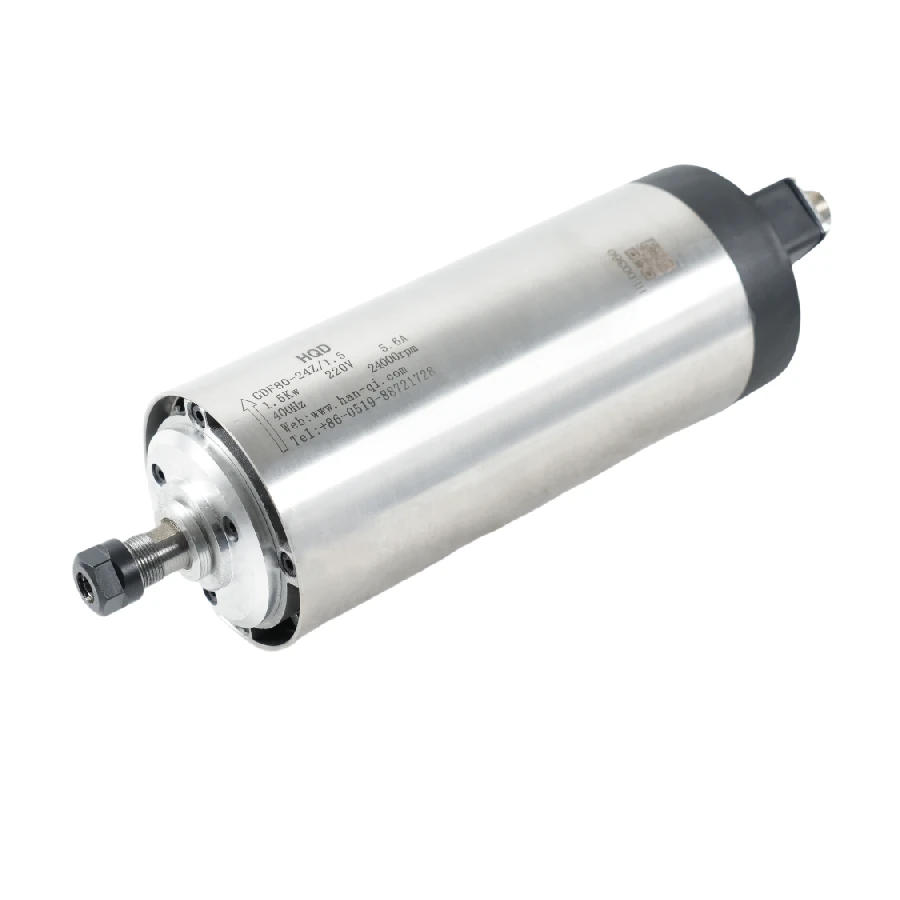
GDF · Manual
1.5 kW rated · ER11
24,000 rpm rated · Air-cooled
Ø80 mm · 256.5 mm overall
View Specifications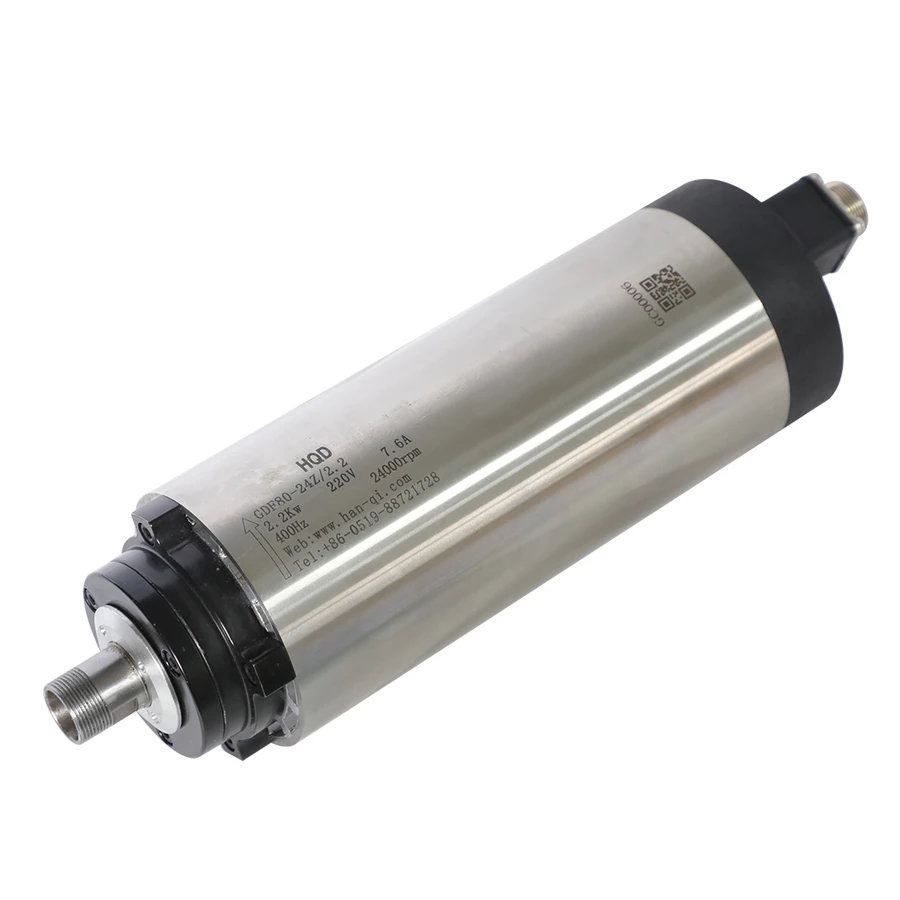
GDF · Manual
2.2 kW rated · ER16
24,000 rpm rated · Air-cooled
Ø80 mm · 263.5 mm overall
View Specifications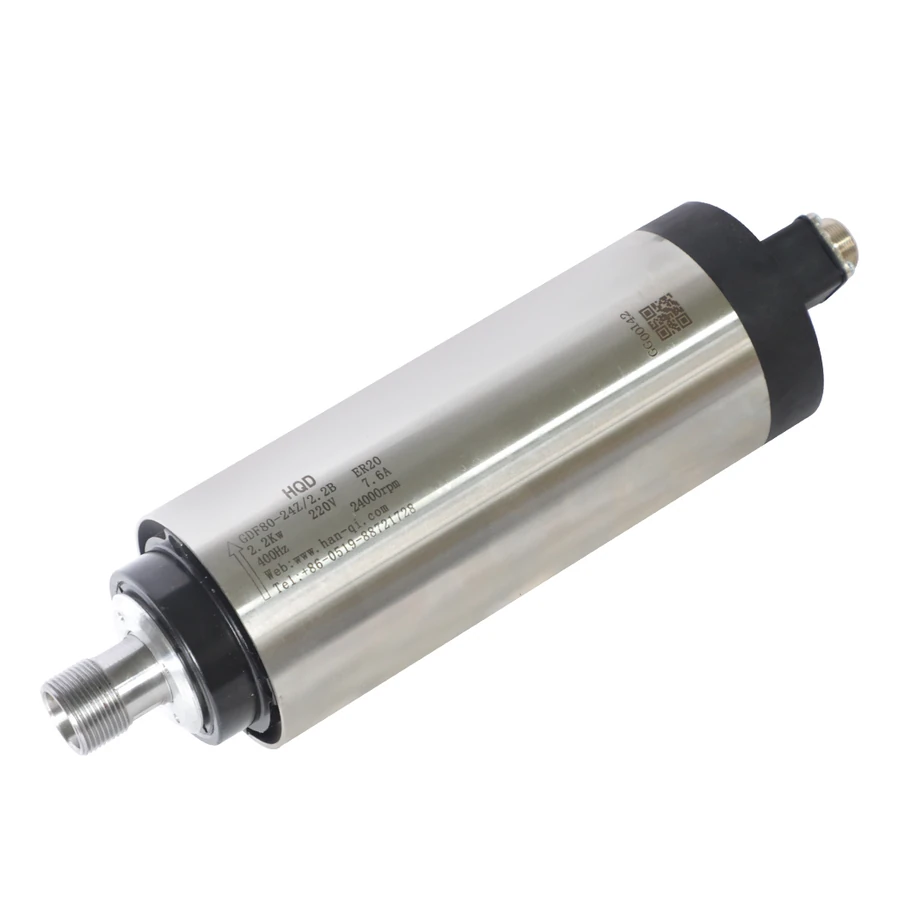
GDF · Manual
2.2 kW rated · ER20
24,000 rpm rated · Air-cooled
Ø80 mm · 269.5 mm overall · 125 mm clamp
View SpecificationsWater-cooled spindle configurations for engraving and routing machines. Confirm the collet, winding, cooling circuit and clamp dimensions.
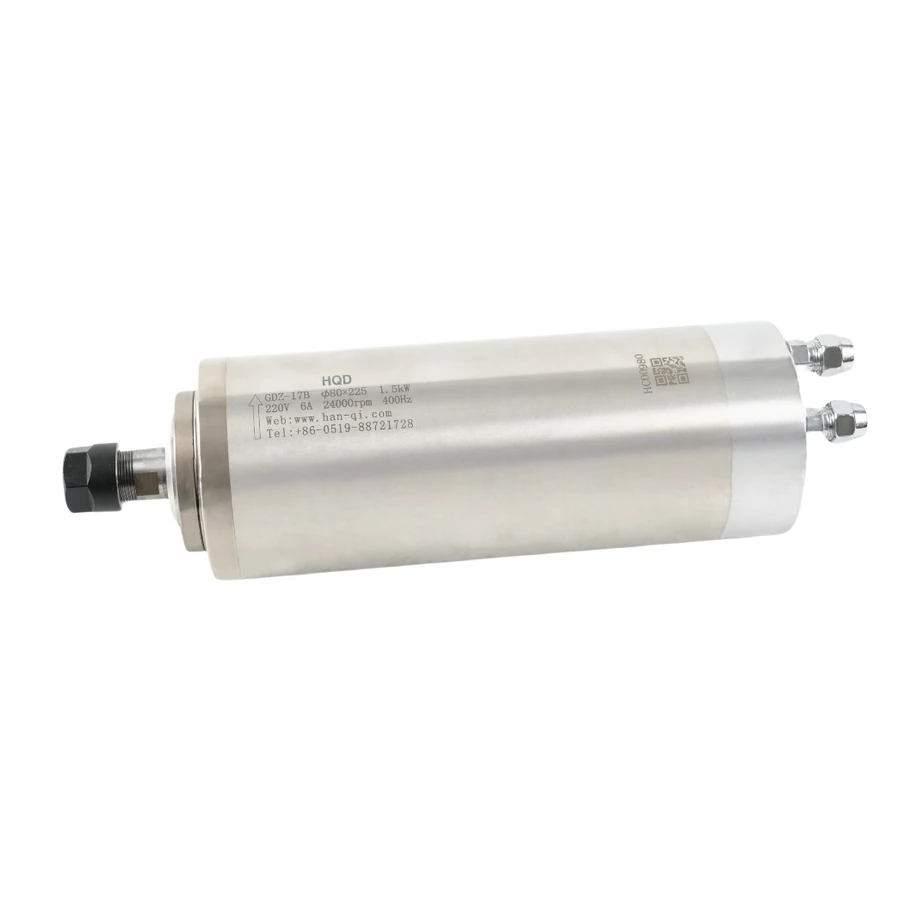
GDZ · Manual
1.5 kW rated · ER16
24,000 rpm rated · Water-cooled
Ø80 mm · 241 mm overall
View Specifications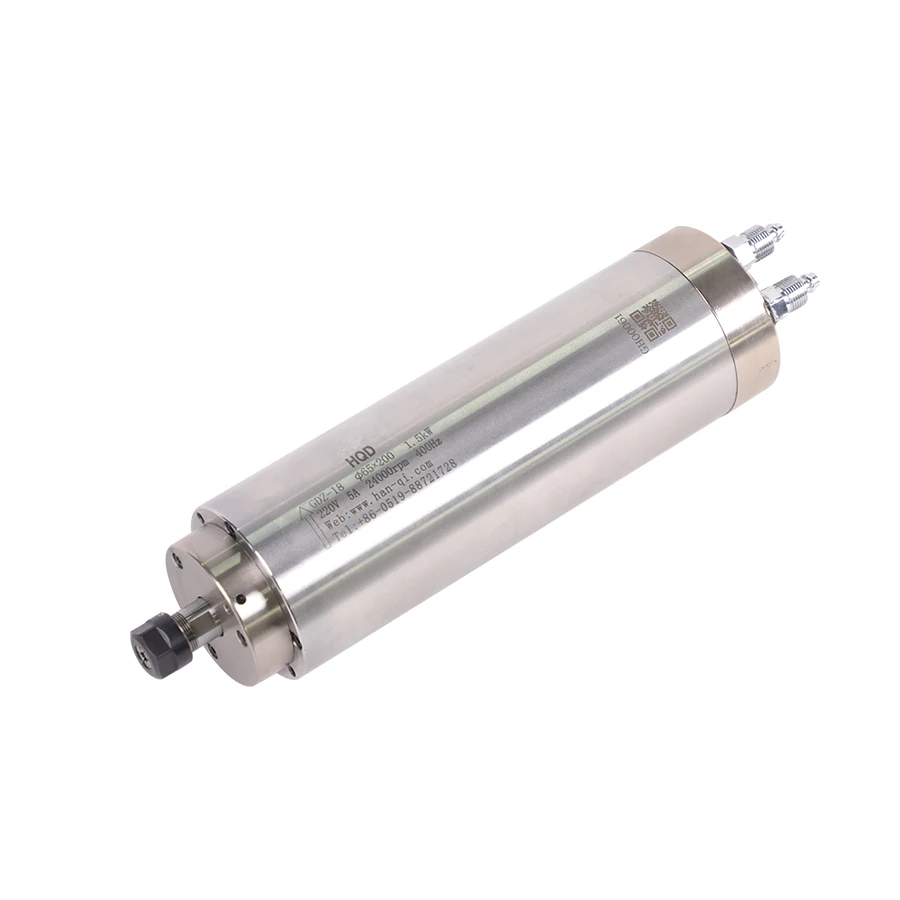
GDZ · Manual
1.5 kW rated · ER11
24,000 rpm rated · Water-cooled
Ø65 mm · 235.5 mm overall
View Specifications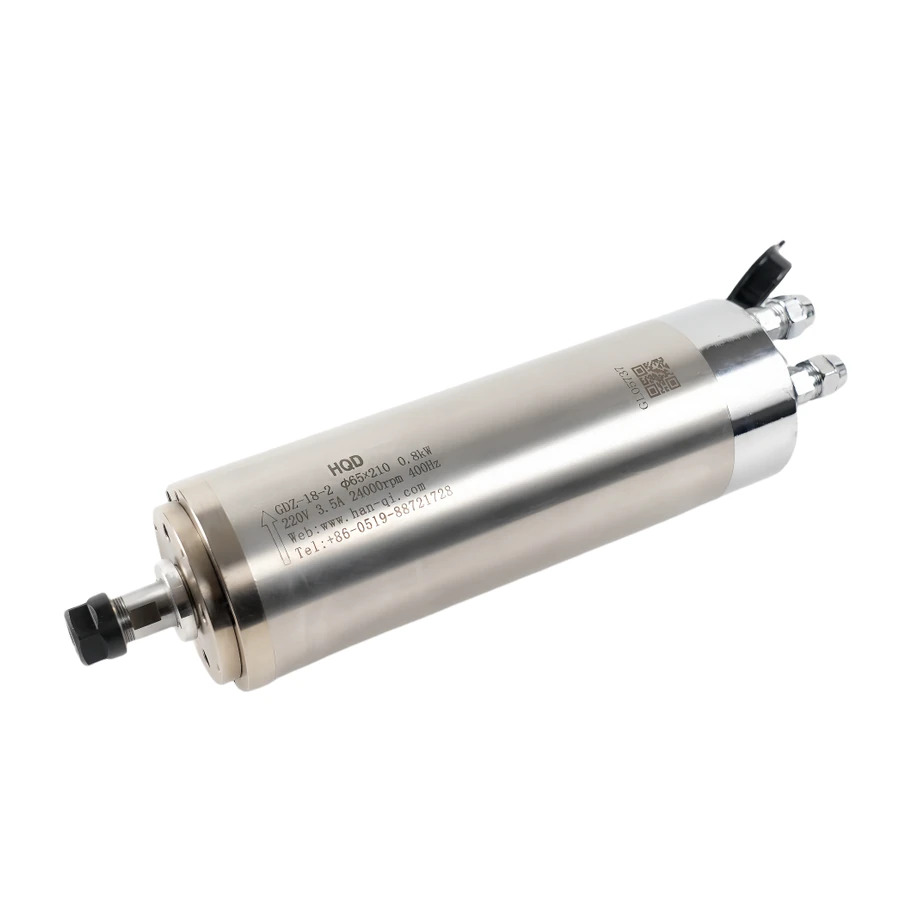
GDZ · Manual
0.8 kW rated · ER11B
24,000 rpm rated · Water-cooled
Ø65 mm · 224 mm overall
View Specifications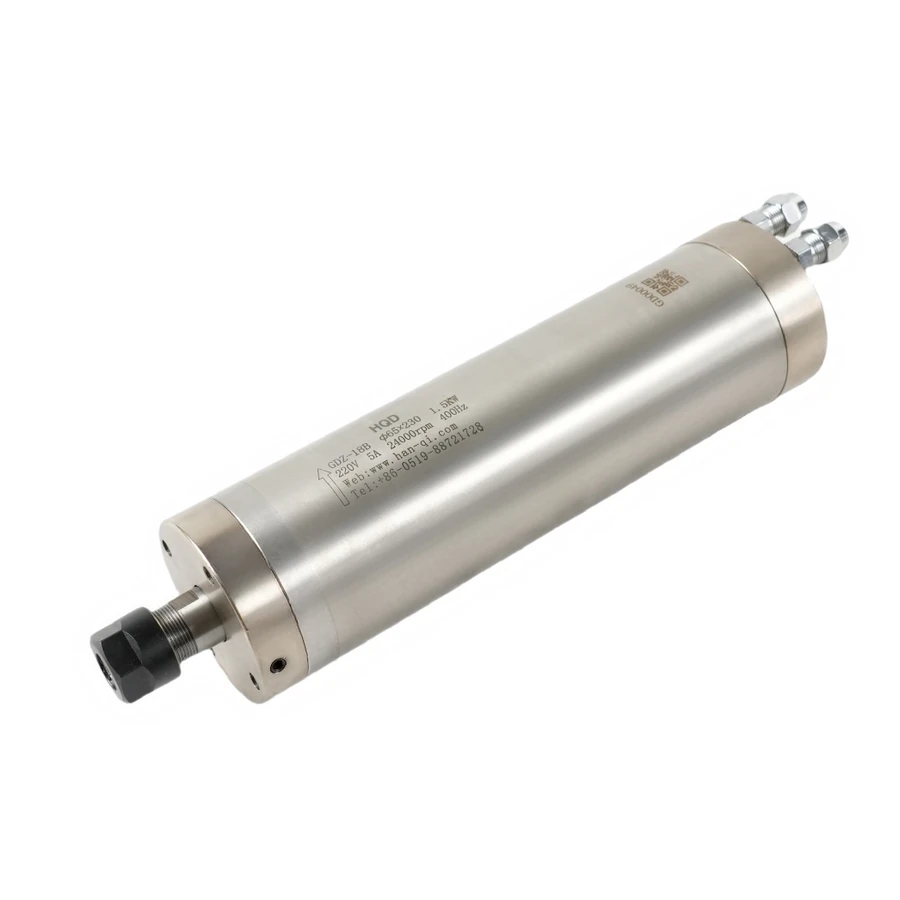
GDZ · Manual
1.5 kW rated · ER16
24,000 rpm rated · Water-cooled
Ø65 mm · 254.5 mm overall · 110 mm clamp
View Specifications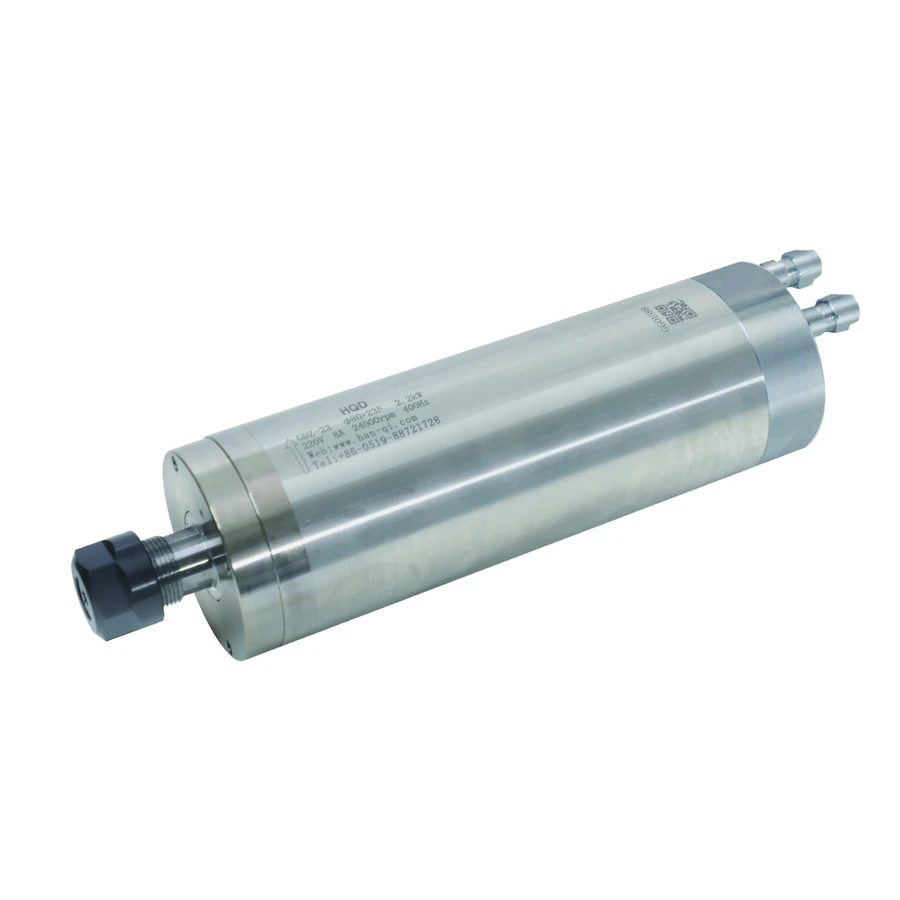
GDZ · Manual
2.2 kW rated · ER20
24,000 rpm rated · Water-cooled
Ø80 mm · 268.5 mm overall · 120 mm clamp
View Specifications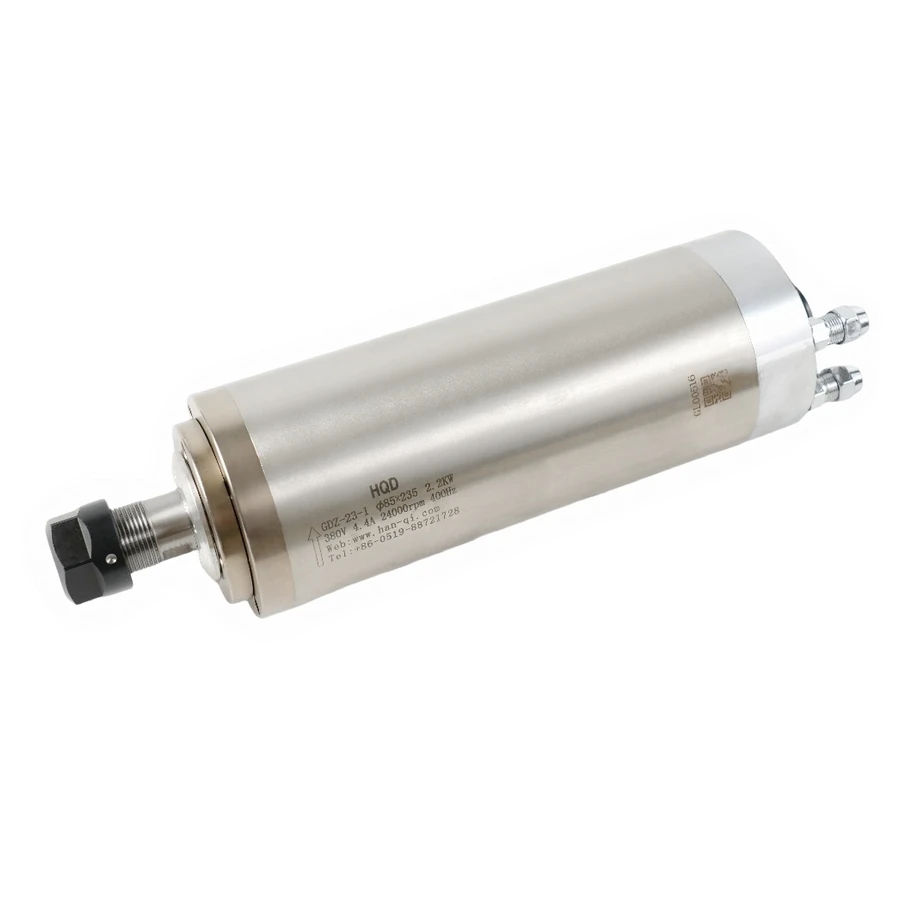
GDZ · Manual
2.2 kW rated · ER20
24,000 rpm rated · Water-cooled
Ø85 mm · 270.5 mm overall · 120 mm clamp
View Specifications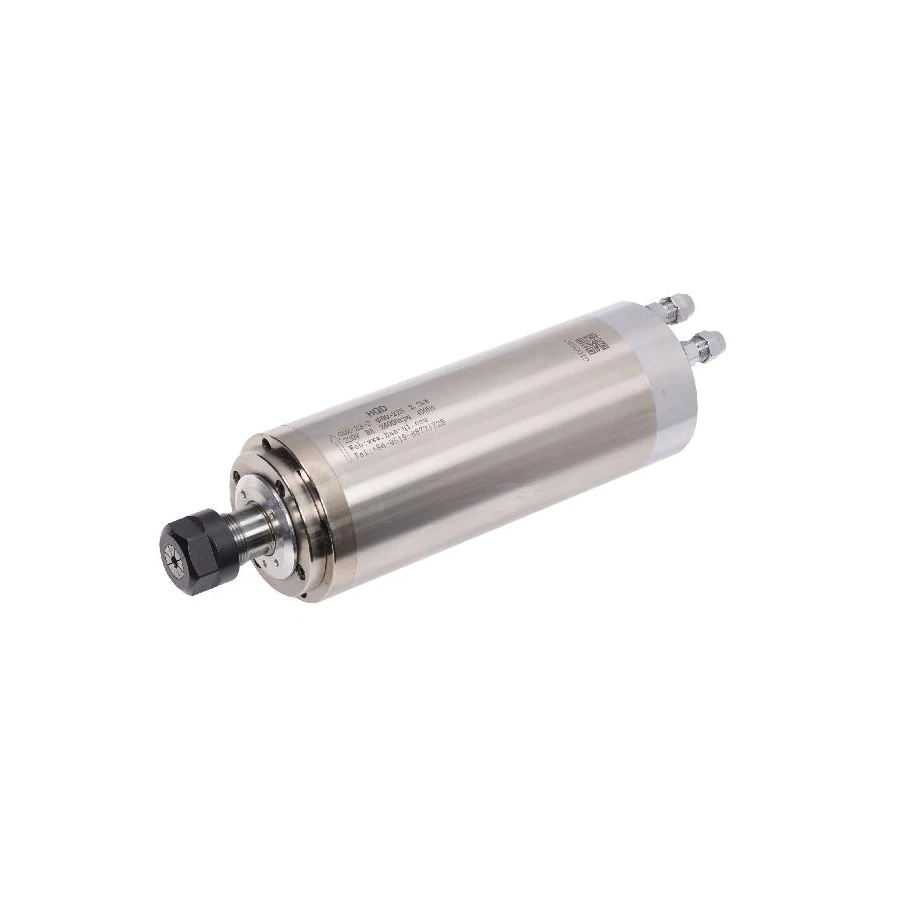
GDZ · Manual
2.2 kW rated · ER20
24,000 rpm rated · Water-cooled
Ø80 mm · 252 mm overall
View Specifications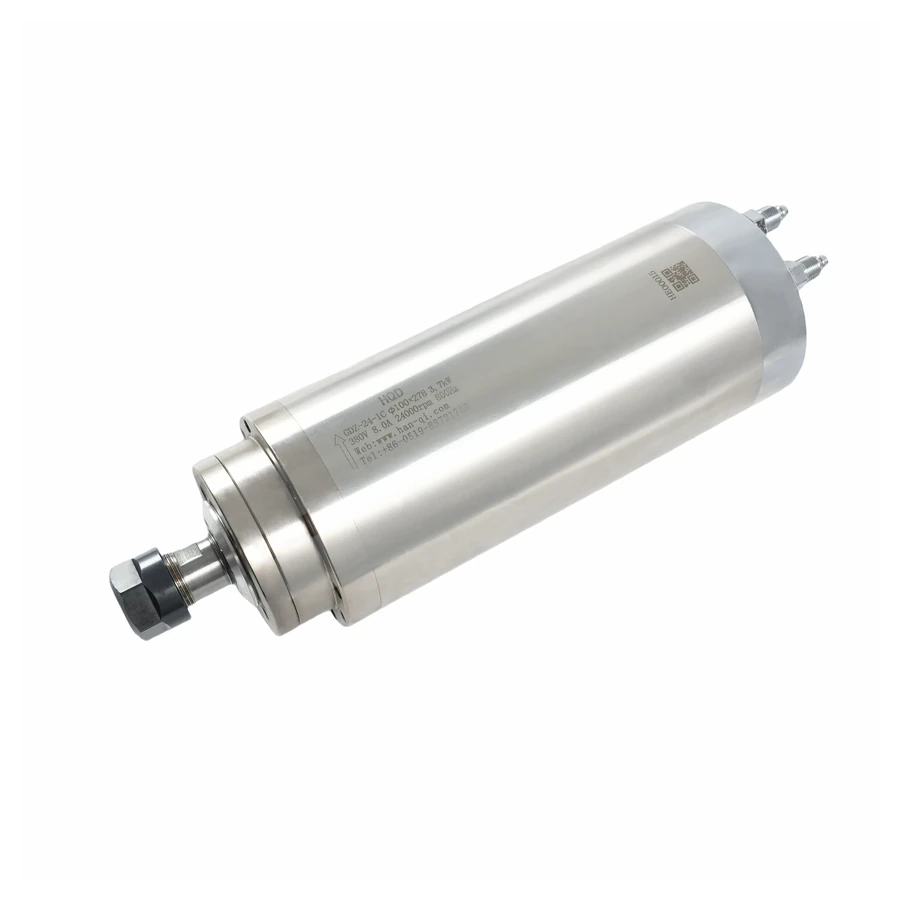
GDZ · Manual
3.7 kW rated · ER20
24,000 rpm rated · Water-cooled
Ø100 mm · 303.5 mm overall · 138 mm clamp
View Specifications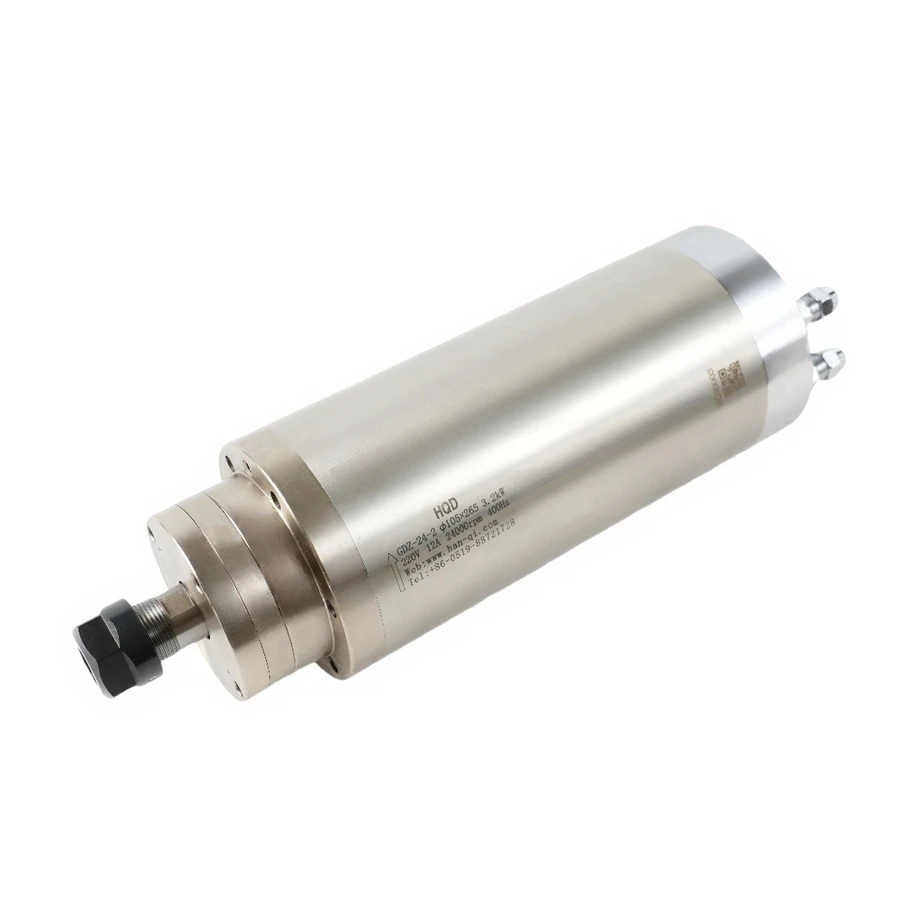
GDZ · Manual
3.2 kW rated · ER20
24,000 rpm rated · Water-cooled
Ø105 mm · 303.5 mm overall · 138 mm clamp
View Specifications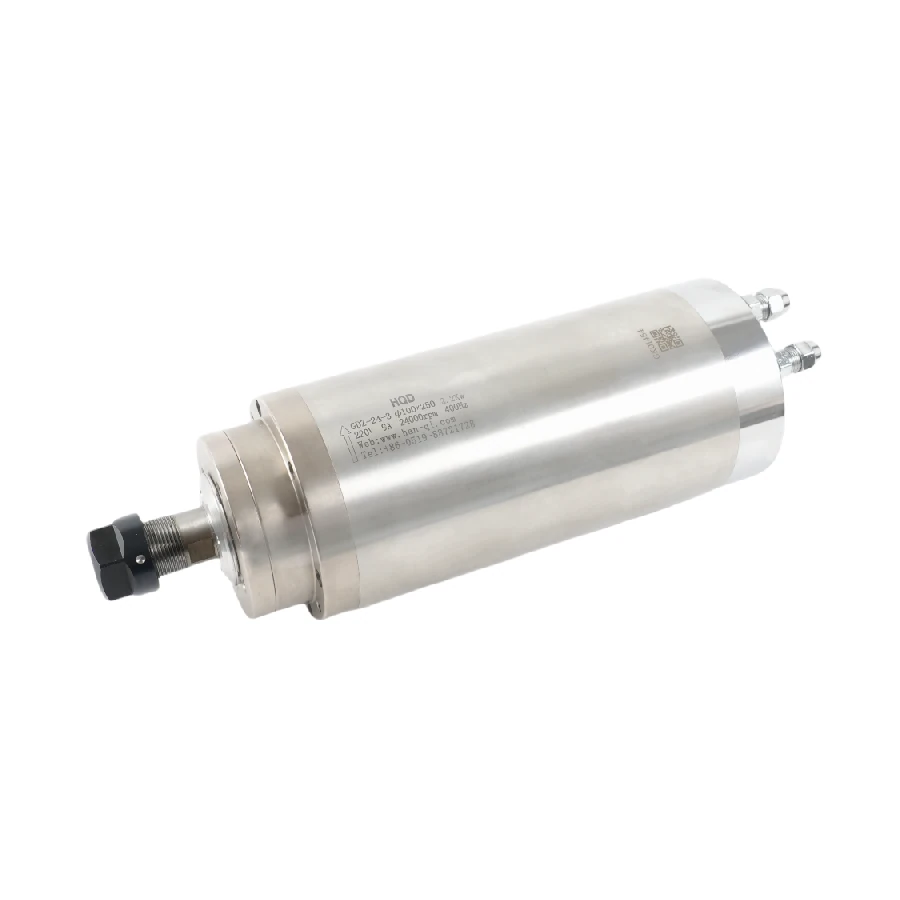
GDZ · Manual
2.2 kW rated · ER20
24,000 rpm rated · Water-cooled
Ø100 mm · 288.5 mm overall · 120 mm clamp
View Specifications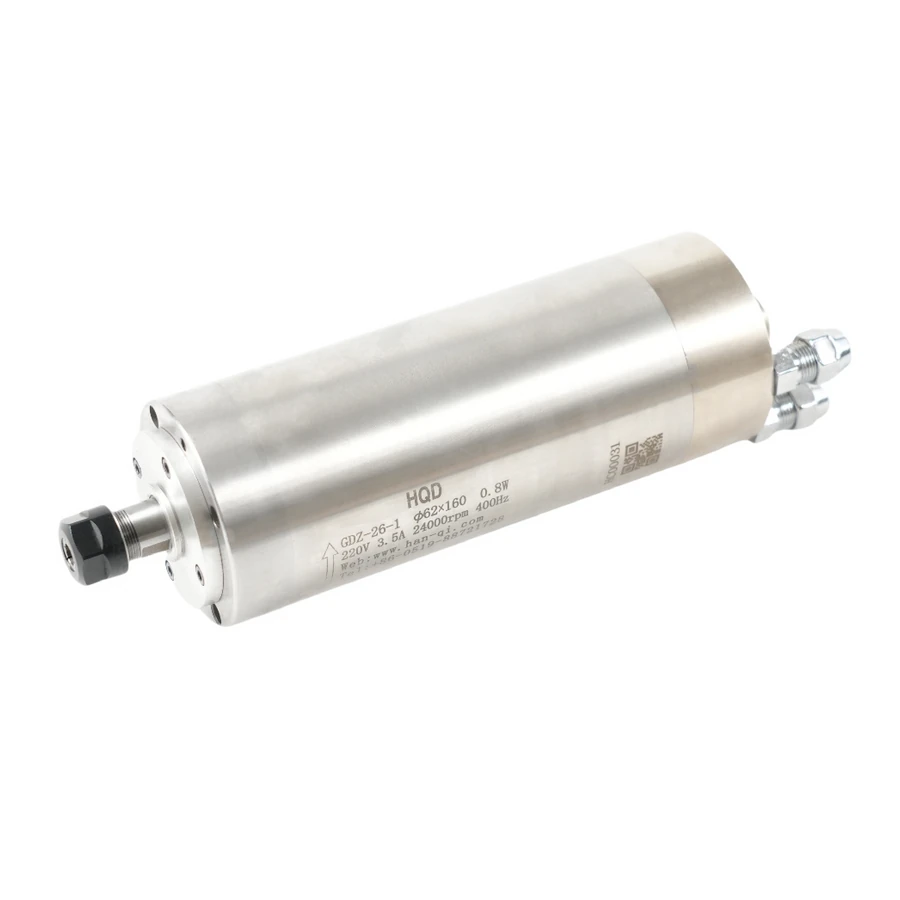
GDZ · Manual
0.8 kW rated · ER11B
24,000 rpm rated · Water-cooled
Ø62 mm · 188.5 mm overall
View Specifications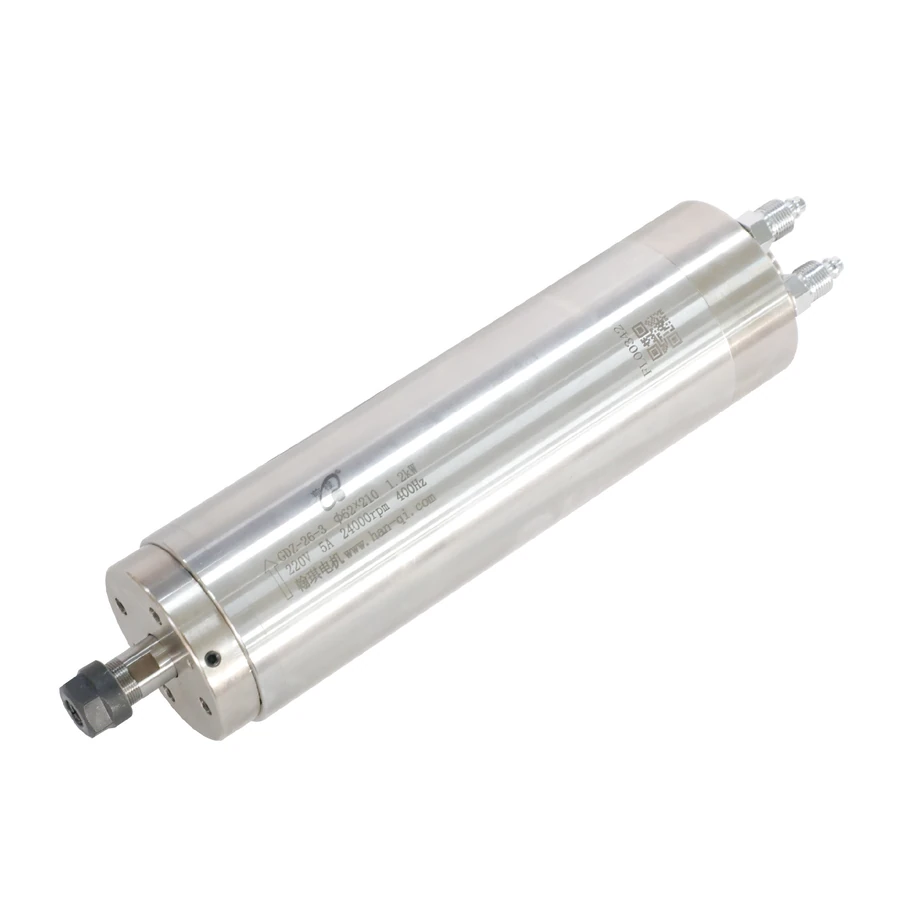
GDZ · Manual
24,000 rpm configuration
1.2 kW rated · ER11
24,000 rpm rated · Water-cooled
24,000 rpm configuration · Ø62 mm · 237 mm overall · 100 mm clamp
View Specifications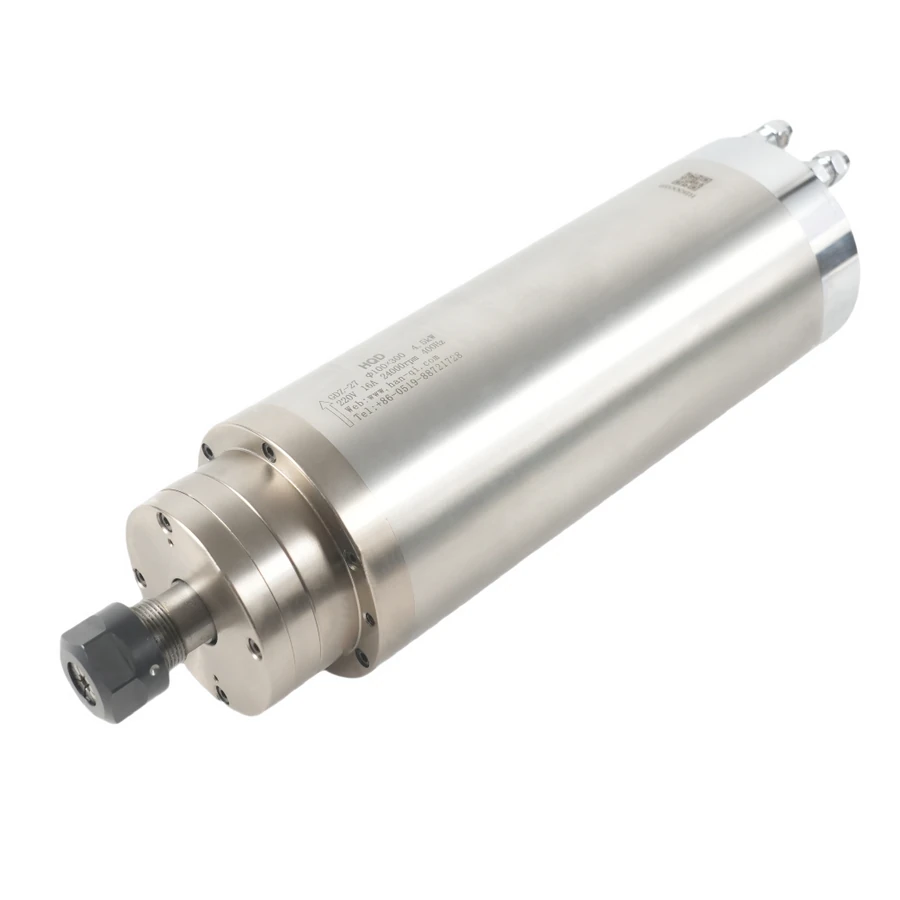
GDZ · Manual
4.5 kW rated · ER20
24,000 rpm rated · Water-cooled
Ø100 mm · 333.5 mm overall · 158 mm clamp
View Specifications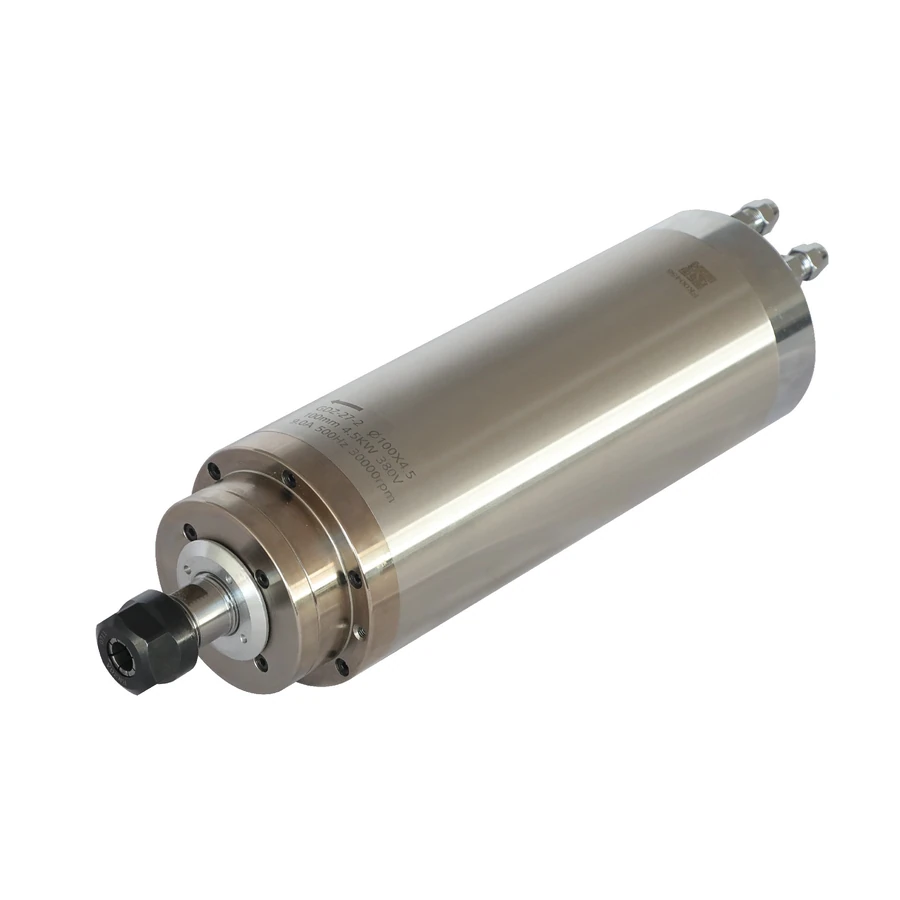
GDZ · Manual
4.5 kW rated · ER20
30,000 rpm rated · Water-cooled
Ø100 mm · 333.5 mm overall · 158 mm clamp
View SpecificationsSpindles with model-specific operating ranges and power ratings. Read the duty conditions and VFD curve before choosing by power.
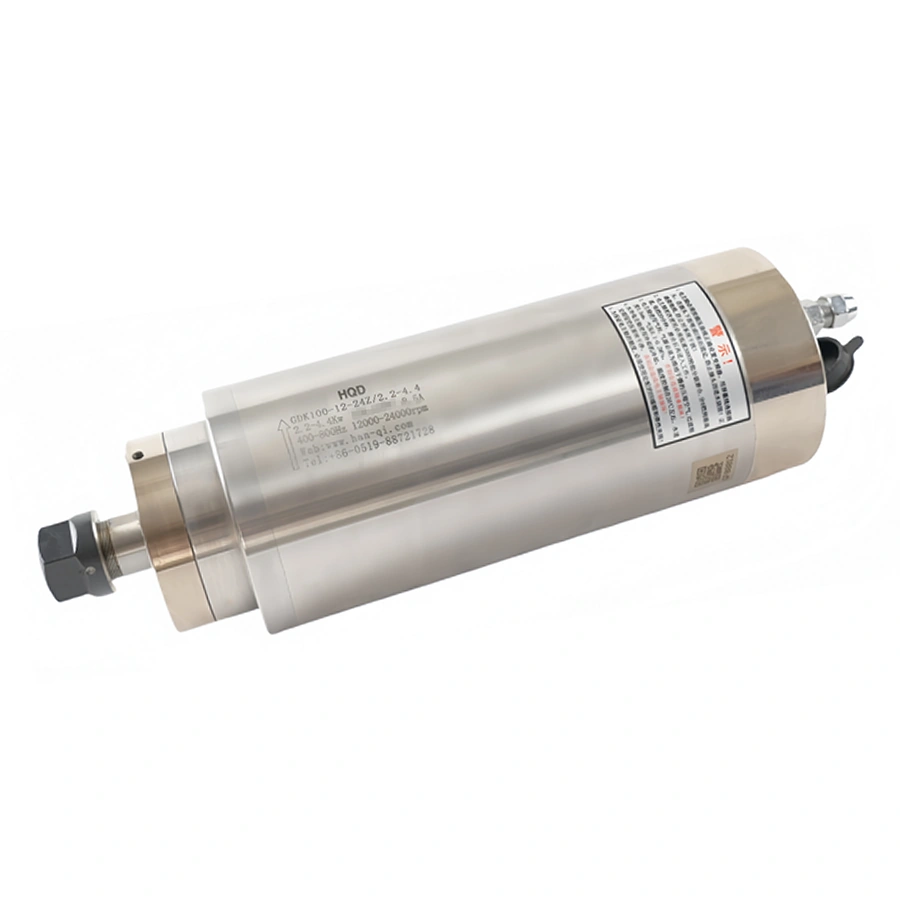
GDK · Manual
2.2 kW rated · ER20
12,000–24,000 rpm · Water-cooled
Ø100 mm · 295 mm overall · 140 mm clamp
View Specifications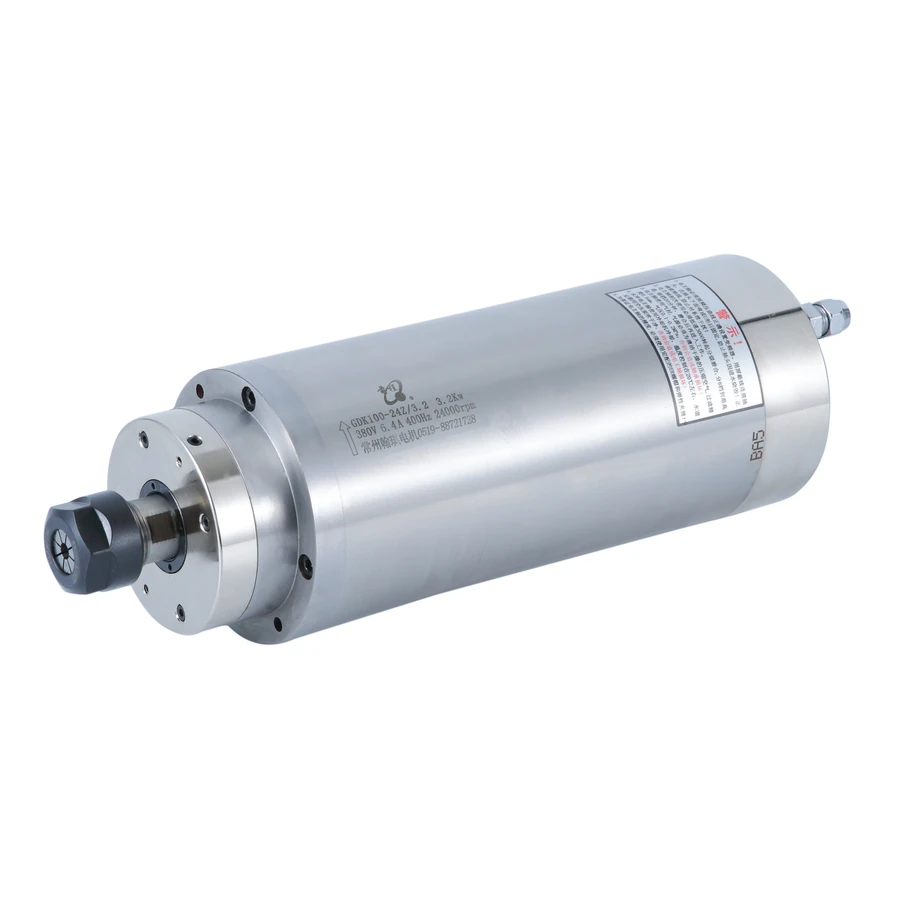
GDK · Manual
3.2 kW rated · ER20
24,000 rpm rated · Water-cooled
Ø100 mm · 295 mm overall · 140 mm clamp
View Specifications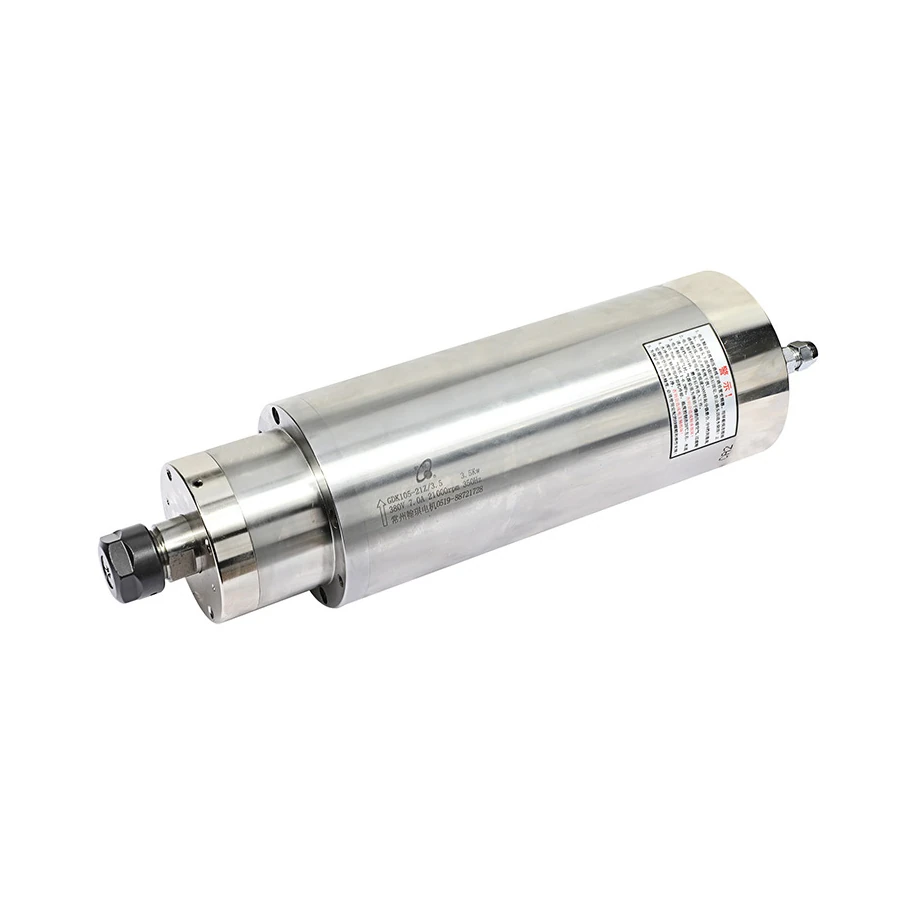
GDK · Manual
3.5 kW rated · ER20
21,000 rpm rated · Water-cooled
Ø105 mm · 312 mm overall
View Specifications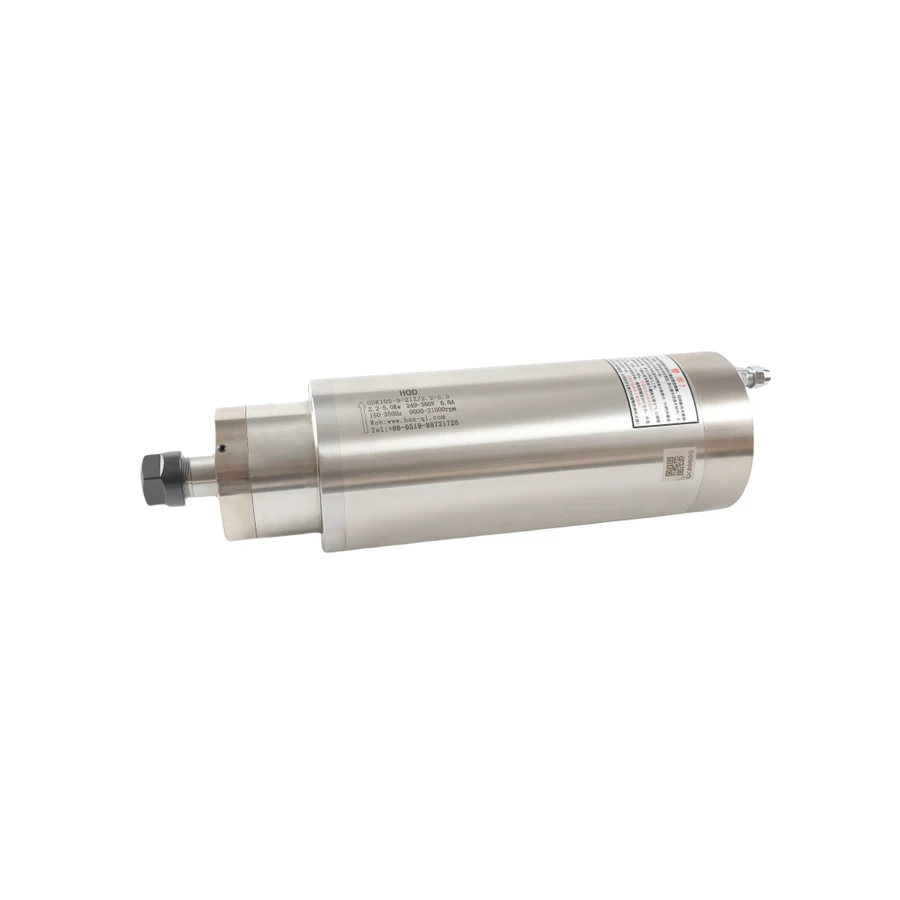
GDK · Manual
2.2 kW rated · ER20
9,000–21,000 rpm · Water-cooled
Ø105 mm · 344 mm overall · 155 mm clamp
View Specifications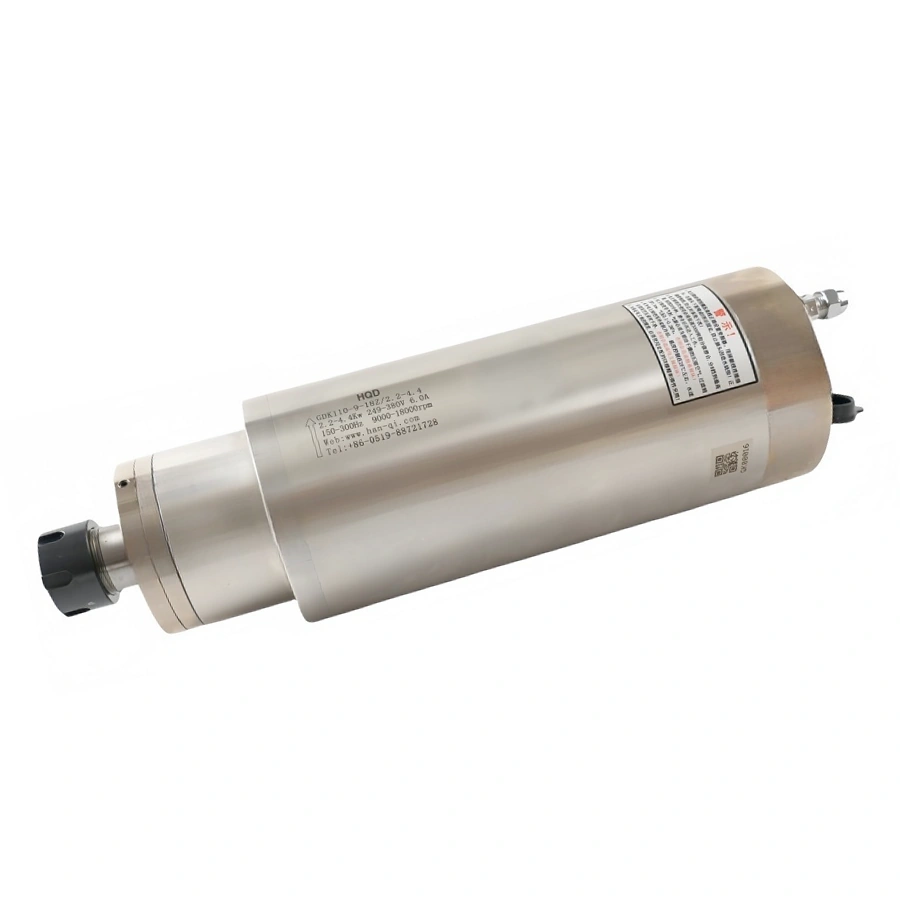
GDK · Manual
2.2 kW rated · ER25
9,000–18,000 rpm · Water-cooled
Ø110 mm · 352.5 mm overall · 155 mm clamp
View Specifications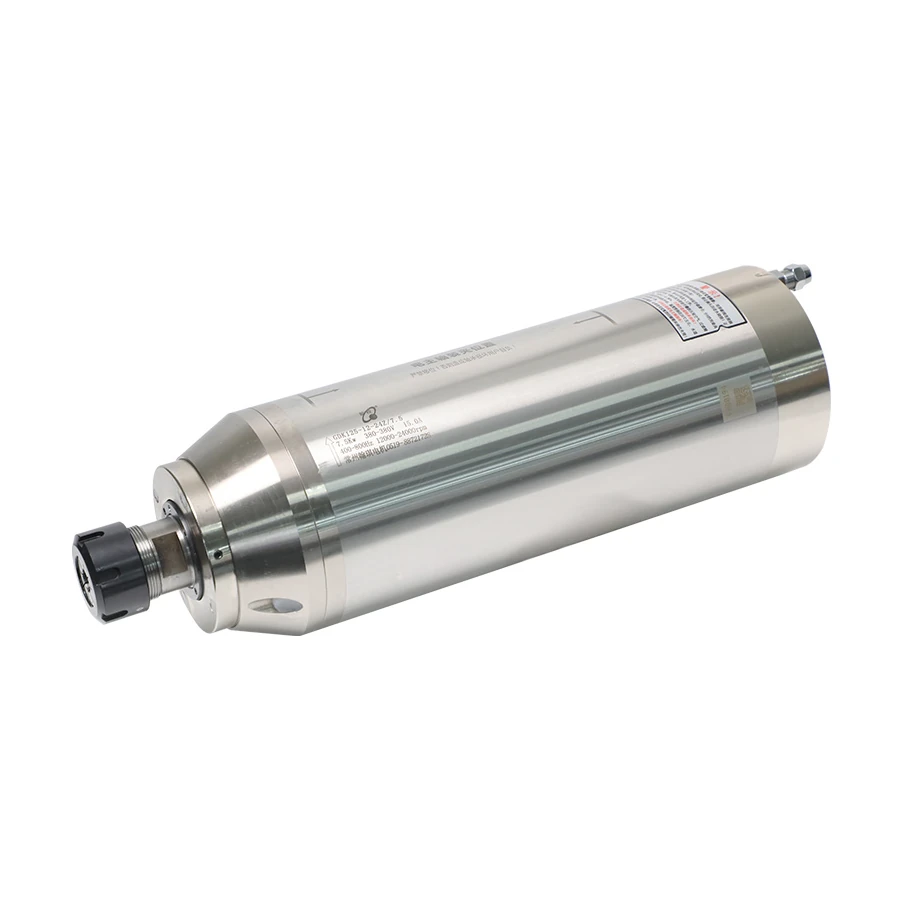
GDK · Manual
7.5 kW rated · ER32
12,000–24,000 rpm · Water-cooled
Ø125 mm · 404.5 mm overall · 190 mm clamp
View Specifications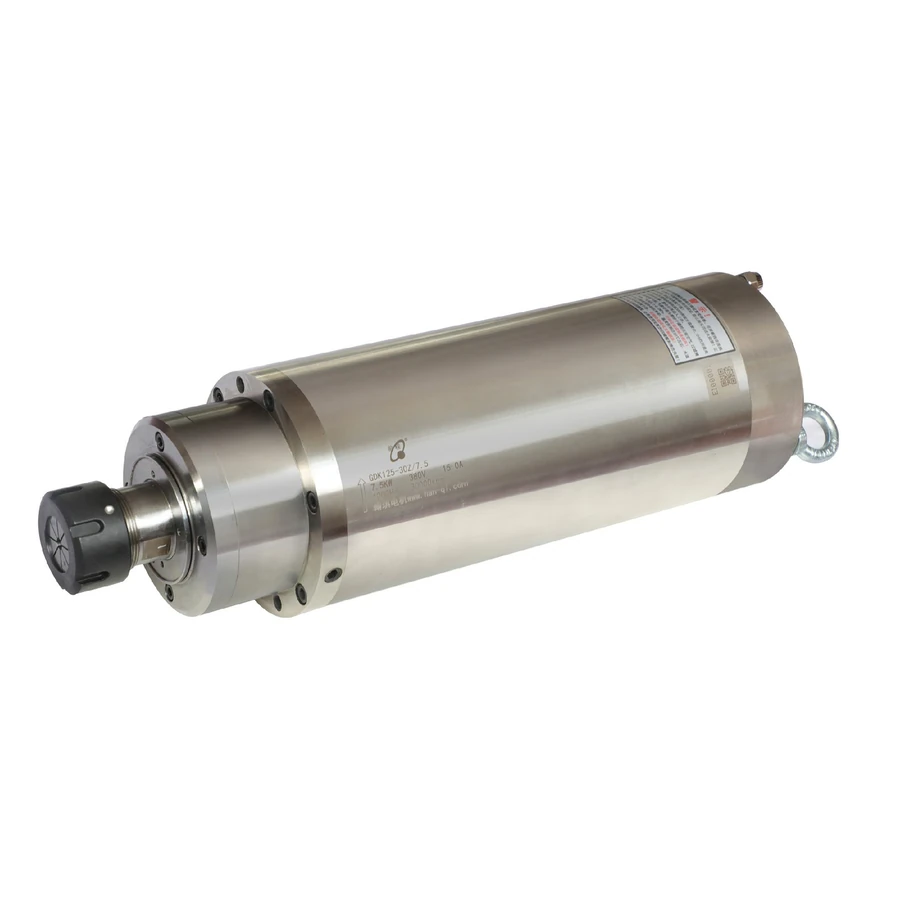
GDK · Manual
7.5 kW rated · ER32
30,000 rpm rated · Water-cooled
Ø125 mm · 150 mm clamp
View Specifications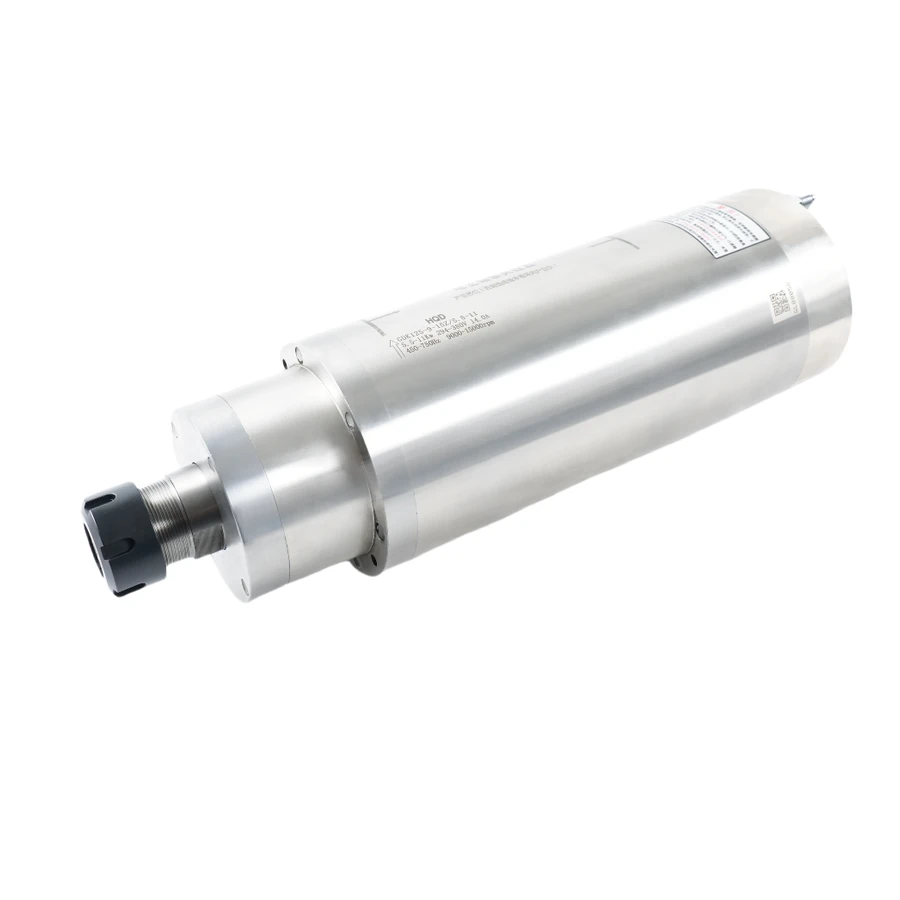
GDK · Manual
5.5 kW rated · ER32
9,000–15,000 rpm · Water-cooled
Ø125 mm · 405 mm overall · 190 mm clamp
View Specifications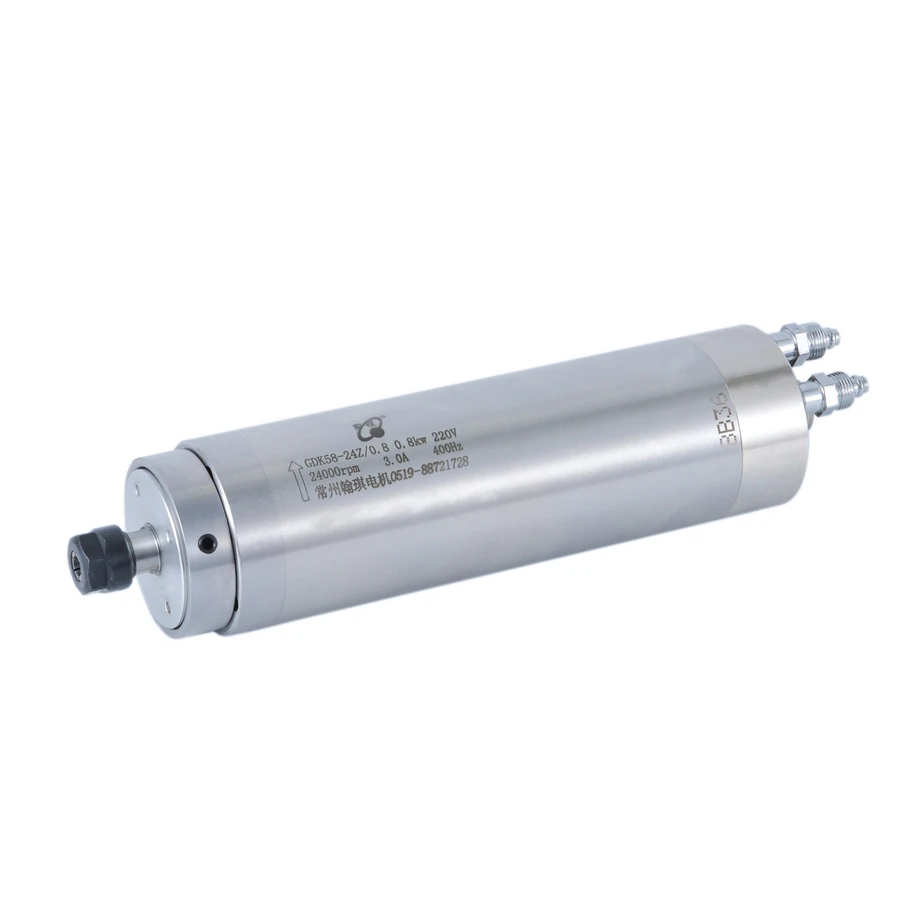
GDK · Manual
0.8 kW rated · ER11
24,000 rpm rated · Water-cooled
Ø58 mm · 220.5 mm overall
View Specifications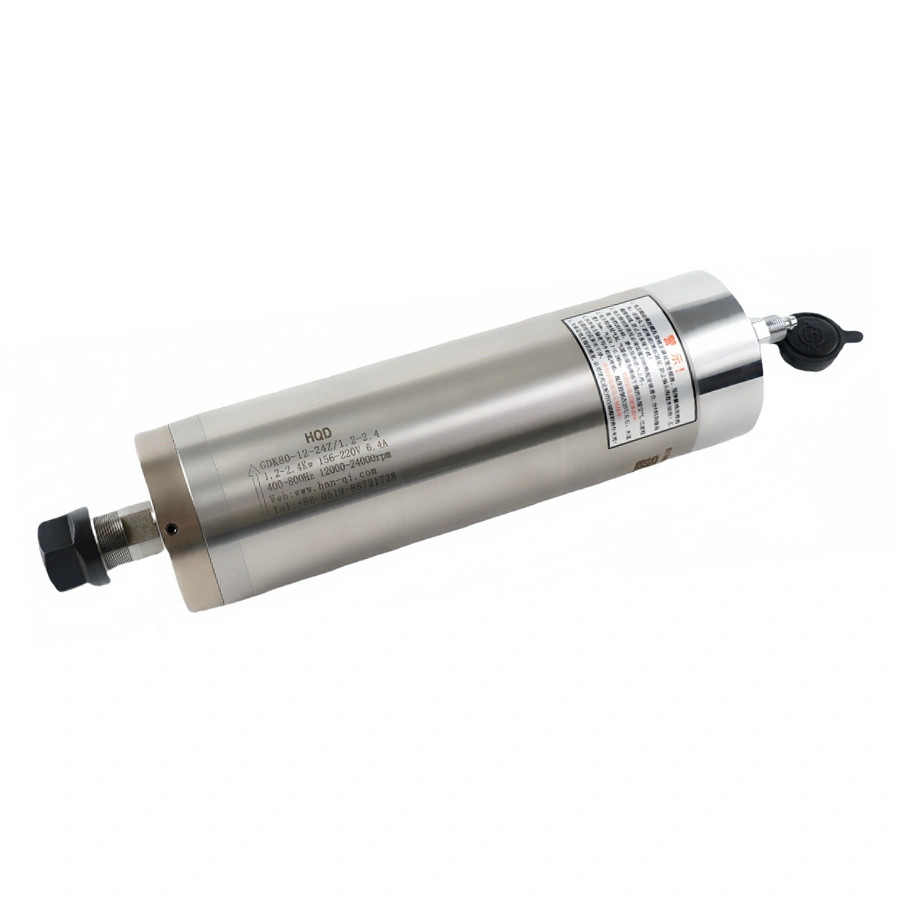
GDK · Manual
1.2 kW rated · ER20
12,000–24,000 rpm · Water-cooled
Ø80 mm · 284 mm overall · 135 mm clamp
View Specifications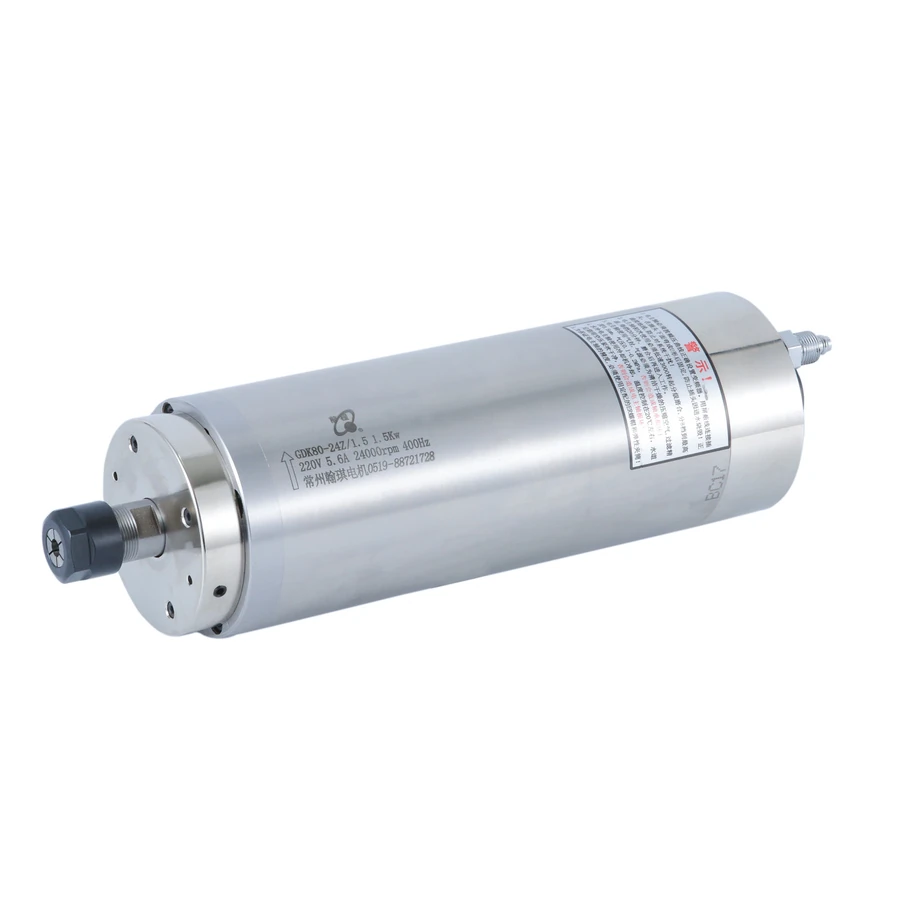
GDK · Manual
1.5 kW rated · ER16
24,000 rpm rated · Water-cooled
Ø80 mm · 259 mm overall · 118 mm clamp
View Specifications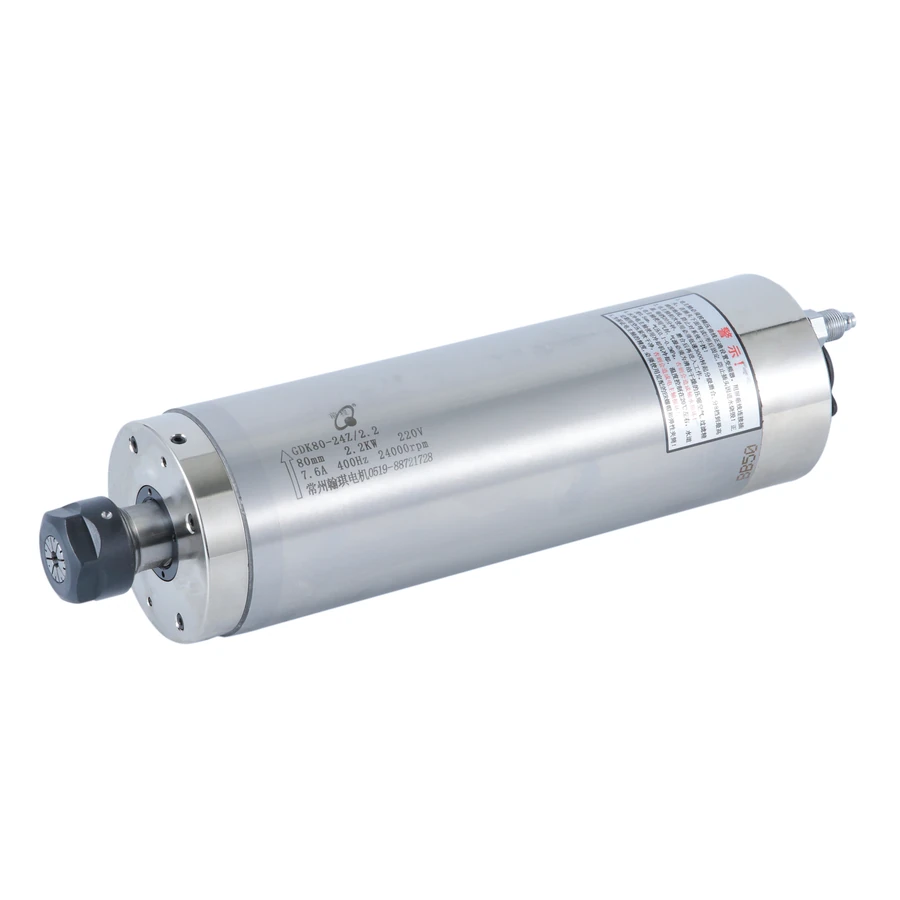
GDK · Manual
2.2 kW rated · ER20
24,000 rpm rated · Water-cooled
Ø80 mm · 284 mm overall · 135 mm clamp
View Specifications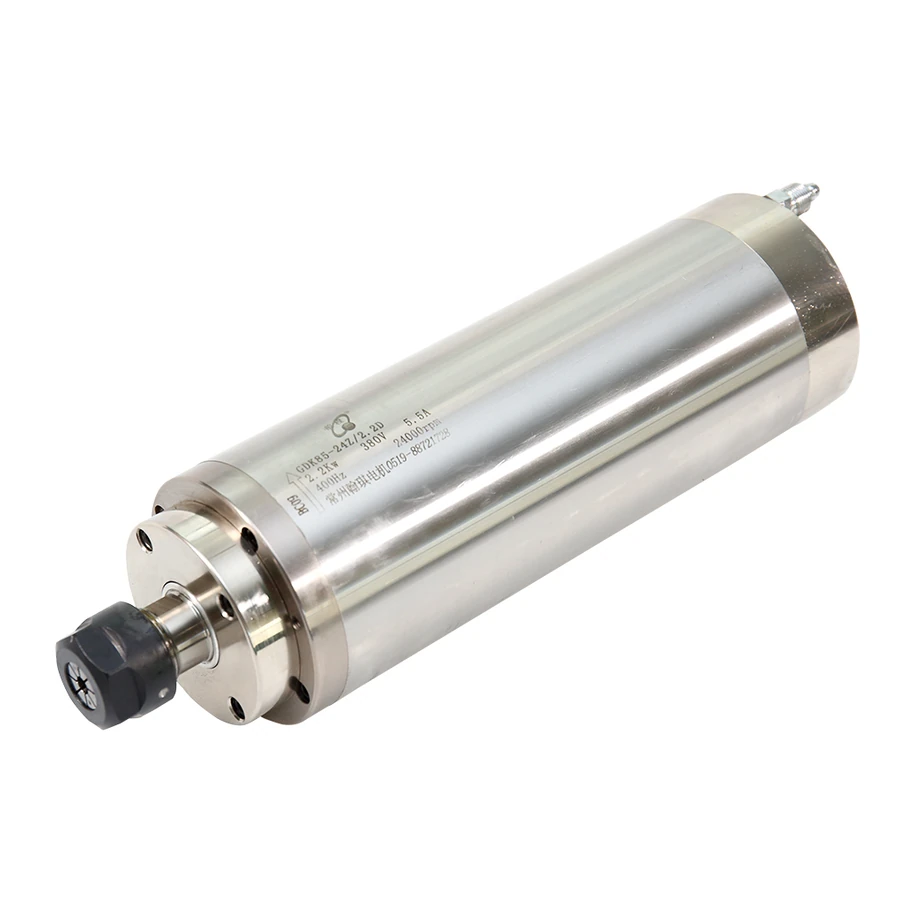
GDK · Manual
2.2 kW rated · ER20
24,000 rpm rated · Water-cooled
Ø85 mm · 284 mm overall · 125 mm clamp
View SpecificationsNo matching configuration. Clear a filter or send us the details of your existing spindle.
Compare the material, cutter, working speed, load cycle and machine stiffness with the spindle’s documented operating data.
Bring the machine requirements, existing nameplate and mounting details into the configuration review. Check mechanical fit, drive compatibility and required services together before confirming the proposed supply.
Verify full model codes, configuration suffixes, and physical mountings. A shared designation can describe distinct base-mount, housing-mount, or nose variants.
Compare the outline drawing for the exact configuration with the machine’s mounting dimensions, support surfaces, nose position and rear service clearance before manufacturing the mount.
Keep winding voltage and current paired correctly, aligning motor base frequencies (300 Hz, 400 Hz, 800 Hz) with variable frequency drive parameters.
Review the available model-specific drawings and technical files. Include any additional document and delivery requirements in your quotation request.
SUPPORT & DOWNLOADS
Use the drawing and available technical files for the exact model, winding and mounting configuration. Confirm document applicability before using dimensions, wiring information or service connections for installation.
View the full-size installation drawing for the selected configuration to compare mounting dimensions and clearances.
Choose a spindle drawingBrowse the available technical PDFs and check each file’s model, winding and configuration label. Request additional wiring or operating information for the selected unit when needed.
Browse available PDFsReview practical technical guides addressing spindle replacement, VFD inverter tuning, ATC sensor interfacing, and cooling circuit maintenance.
Read installation guidesNeed 3D CAD models or additional engineering files? Include the exact spindle code and physical configuration in your inquiry. Request a document →
Base mount · Dimensions and technical references
View files →ER11 · Dimensions and technical references
View files →ER11 · Dimensions and technical references
View files →ER16 · Dimensions and technical references
View files →ER20 · Dimensions and technical references
View files →BT30 · Dimensions and technical references
View files →ISO20 · Dimensions and technical references
View files →ISO30 · Long nose · Dimensions and technical references
View files →ISO30 · Short nose · Dimensions and technical references
View files →ISO30 · Dimensions and technical references
View files →ER20 · Dimensions and technical references
View files →For a new machine, compare the selected spindle’s dimensions, tooling, cooling requirements and drive data with the proposed installation.
Discuss a New InstallationCompare the existing nameplate, mounting dimensions and connections with the proposed replacement’s applicable drawing and electrical specification before ordering.
Check a ReplacementSearch printed model designations, verify specific physical mounting options and electrical winding pairs, and submit targeted procurement requests.
Find My ModelProvide existing motor nameplate photos or define target workpiece materials, cutting tool shank diameters, and available gantry mounting space.
Filter by manual or automatic tool change, air or water cooling, collet interface, and operating speed range while preserving model suffixes.
Check the applicable outline drawing, selected winding’s voltage/current pair, required VFD output frequency and model-specific air-service requirements.
Submit exact model codes, preferred electrical windings, target quantities, destination postal codes, and technical documentation requirements.
BEFORE YOU CHOOSE
Compare mechanical mounting dimensions, electrical drive requirements, and tooling interfaces before selecting an electrospindle for your machine.
Start with tool change, cooling, tooling and mounting. The listed GDL configurations use ISO or BT automatic tooling; GDF configurations use air cooling and manual ER tooling; GDZ and GDK configurations use water cooling and manual ER tooling. Compare GDK rated points or operating curves for the actual working speed and duty. Then check the exact model’s drawing, winding and service requirements.
Record the complete model designation from the motor nameplate, tool collet interface, outer body diameter, usable clamping band length, nose projection, and rear terminal clearance. Always verify electrical winding data: matching kilowatt power alone is insufficient. For instance, the GDF46-18Z/2.2 and GDZ-23 are both rated at 2.2 kW, but their rated operating points are 18,000 rpm at 300 Hz and 24,000 rpm at 400 Hz, respectively.
Use the printed code as a starting point, then verify the physical mounting configuration. For example, GDF46-18Z/2.2 is manufactured in both Base Mount and Housing Mount versions with completely different fixing bolt arrangements. Retain every suffix in the model code, photograph the existing mounting bracket and terminal plug, and compare dimensions against the applicable configuration drawing to check mounting compatibility.
Compare the GDF46 base-mount version and housing-mount version.
Choose cooling around the supplied spindle’s requirements, working duty and machine environment. Air-cooled configurations need an unobstructed air path and any specified fan service. Water-cooled configurations need a suitable circuit, fittings and coolant conditions. Compare dust exposure, enclosure space, maintenance and the documented duty before selecting either method.
No. Use a compatible VFD with the documented motor-output voltage, current and frequency for the selected spindle. Do not connect the listed high-frequency spindle configurations directly to 50 Hz or 60 Hz mains power. Confirm motor data and protection settings from the supplied-unit nameplate and applicable drive instructions before commissioning.
Check the motor nameplate for marked voltage and current pairs (e.g., 220 V / 8 A vs 380 V / 4.4 A). Many HQD models are manufactured in separate 220 V and 380 V configurations. The variable frequency drive output voltage and full-load current rating must match the specific winding supplied with your motor.
Confirm the release-air and any air-seal requirements for the exact supplied GDL configuration. Use its pneumatic connection information and service instructions to specify pressure, air quality and connections. Keep tool release and air sealing separate, and check sensing and controller interlocks before commissioning.
Specify the complete spindle model code, required winding voltage (220 V or 380 V), target order quantity, and delivery destination with postal code. For replacement units, attach photos of the existing motor nameplate and mounting bracket to verify mechanical fitment.
View the full-size installation drawing for the selected spindle to check mounting dimensions and connection locations. Browse the technical files available for that model and confirm each file’s winding and configuration label. If a PDF, wiring detail or CAD file is needed, include the complete model and the installation question in your inquiry so its applicability can be checked before use.
Select an individual collet whose marked gripping range matches the cutter shank. ER11, ER16, ER20, ER25 and ER32 identify collet families; confirm the available sizes, matching nut and spindle nose, permitted speed and tooling instructions for the actual assembly. Specify the runout requirement for the process and verify it using an appropriate measurement method.
REQUEST A QUOTE
Share a model or describe what you need to match. Unknown technical details can be left blank.
Attach photographs or drawings in your email application.
HQD GUIDES
Practical guides for HQD spindle selection, tooling, cooling, VFD matching, replacement and ATC installation.
Choose a spindle by tooling, working speed, mounting, drive and cooling requirements.
Read GuideCompare 12 HQD configurations by tool interface, cooling, mounting and operating point.
Read GuideRecord the existing spindle and compare mounting, tooling, drive and service differences.
Read GuideCompare real HQD models by power, collet size, dimensions and installation requirements.
Read GuideMatch collet families and individual sizes to your cutter shanks and spindle tooling.
Read GuideCompare holder interfaces, retention, rack geometry and machine requirements for ATC.
Read GuidePlan tooling, fixturing and working conditions for aluminum sheet and extrusion jobs.
Read GuideReview the tools, production sequence and installation needs of MDF, plywood and cabinet work.
Read GuideRead HQD operating curves to compare output at the working speed and stated duty.
Read GuideCompare cooling systems, installation requirements, condensation checks and maintenance.
Read GuidePlan holders, release air, controls, tool measurement and acceptance for a new machine or retrofit.
Read GuideMatch winding voltage, current, frequency, duty and control functions to the selected drive.
Read GuideABOUT HQD
Choose an HQD spindle motor around the cutting tool interface, rotational speed envelope, and mechanical installation your CNC machinery requires. For routing, engraving or milling, begin with the actual workpiece, cutter geometry, tool projection and working speed. Compare the required load cycle with the selected spindle’s rated point and any available operating curve. Material type alone cannot establish the required output, surface finish or replacement compatibility. The portfolio spans GDL automatic tool change spindles with ISO and BT tapers, GDF air-cooled spindles with base-mounted and round bodies, GDZ water-cooled spindles across standardized clamp diameters, and GDK engraving and milling spindles with model-specific operating points, curves and duty conditions.
Selecting an electrospindle requires evaluating continuous S1 kilowatt ratings alongside documented S6 intermittent duty cycles, winding voltage and current pairs, body clamping zones, and thermal cooling circuits. For an HQD ATC spindle, confirm the holder retention arrangement, release-air requirements, sensing, controller interlocks and any air-seal service for the exact supplied assembly. Automatic tool change describes the machine toolholding architecture; it requires precise mechanical and pneumatic integration rather than assuming universal interchangeability. Review the ATC installation requirements before finalizing machine engineering designs.
CINKR supplies HQD spindle motors and helps machine builders, retrofit integrators and maintenance teams compare configurations and request quotations. Explore the four specialized spindle series, consult our practical spindle selection guides, and review the available outline drawings and technical PDFs for the selected model and configuration. Include your existing motor nameplate photographs, machine mechanical constraints, target quantities, and delivery destination when requesting a formal quotation.